Introduction
I spend a lot of time looking at how FPS performance actually changes from one setup to another. Not the marketing version. The real-world version.
And one thing becomes clear quickly. Gear does not “create” skill. But it can quietly decide how consistent that skill feels in action.
Some setups feel smooth and controlled. Others feel slightly off, even if the player is the same. That difference often comes down to timing, input response, and how well the equipment supports fast reactions.
This is exactly why choosing the best gaming gear for FPS games matters more than many players think. In FPS titles, even a small delay or lack of precision can change the outcome of a fight. A properly optimized setup does not make someone instantly better, but it helps existing skill show up more consistently.
When I look at best gaming gear for FPS games, I don’t focus only on brand names or flashy features. I focus on what actually improves aim stability, movement control, and reaction speed in real matches.
For example, a high-quality mouse with accurate sensor tracking helps reduce shaky aim. A responsive keyboard makes movement inputs feel faster and cleaner. A smooth, high-refresh monitor reduces motion blur so targets are easier to track. Even audio clarity plays a role in awareness during intense fights.
That is why best gaming gear for FPS games is not just about buying expensive accessories. It is about building a setup where every small input feels direct and predictable.
At the end of the day, FPS performance is still driven by skill and practice. But the right gear removes unnecessary friction between decision and action. And in competitive moments, that small difference can decide whether a shot lands or misses.
What I Will Cover in This Article
- What FPS players actually gain from better equipment
- Why pros focus on consistency over appearance
- Which gear affects aim and reaction the most
- What most players misunderstand about high-end setups
- Where upgrades make sense (and where they don’t)
- How to build a smart FPS setup without overspending
How FPS Pros Actually Think About Gear
I’ve noticed a pattern when studying competitive setups. Most top players who dominate FPS games do not chase flashy or “best looking” equipment. Instead, they focus on one thing above everything else stability.
When I explore what actually counts as the best gaming gear for FPS games, it always comes back to consistency. No sudden lag. No inconsistent tracking. No awkward movement feel. Everything must respond the same way, every single time.
That mindset explains why professionals are so selective. They are not just buying gear for performance on paper; they are building a system that supports repeatable precision. Even small inconsistencies in input can break rhythm and timing.
That is why many pros carefully choose the best FPS gaming gear based on reliability rather than appearance. If a device feels even slightly unstable, it gets replaced quickly. There is no emotional attachment to brand or design only performance consistency matters.
Most FPS players also pay close attention to gaming gear for FPS games that reduces delay and improves control. Every millisecond counts in competitive matches, and even minor input lag can change the outcome of a fight.
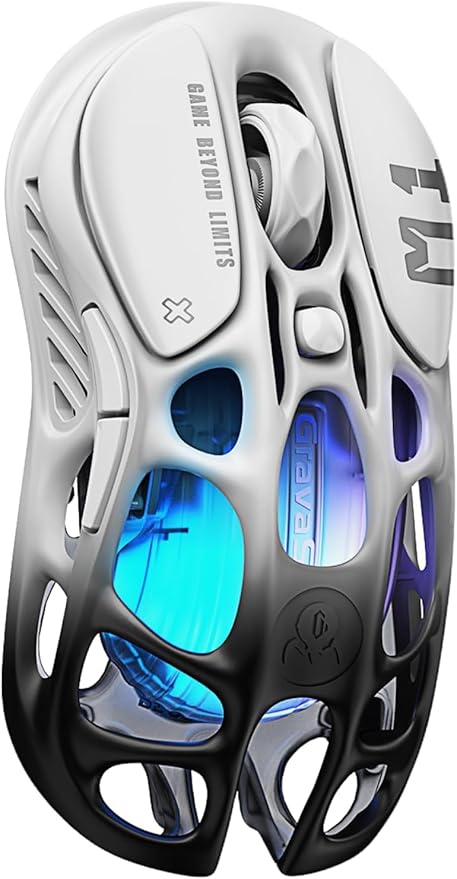
For example, selecting the best mouse for FPS games is not about extra buttons or RGB effects. It is about sensor accuracy, weight balance, and tracking stability. A good mouse helps maintain aim confidence during fast flicks and micro-adjustments.
The same logic applies to the FPS gaming keyboard setup. Pros usually prefer fast, responsive switches that register inputs instantly. In high-pressure moments, delayed keystrokes can mean losing control of movement or reaction timing.
Audio is another critical factor. A quality gaming headset for FPS games helps players detect direction, distance, and movement patterns more clearly. That awareness often decides whether they react first or get eliminated.
When optimizing a full setup, many competitive players aim for low latency gaming gear FPS configurations. This includes faster input devices, responsive displays, and optimized system settings that reduce delay across the entire chain of interaction.
Display performance also plays a huge role. A best gaming monitor for FPS games setup usually focuses on high refresh rate and low response time. This makes enemy movement clearer and improves tracking accuracy during fast gameplay situations.
At a broader level, FPS players often follow a structured FPS gaming accessories list that includes mouse, keyboard, headset, monitor, and sometimes even mousepads designed for precision tracking.
Everything is chosen carefully to build a competitive FPS gaming setup where each component supports fast reaction and consistent performance. Nothing is random or purely aesthetic.
When comparing tools, players also focus on best FPS gaming peripherals that offer reliability over time. Durability matters just as much as speed because frequent replacement breaks consistency.
In the end, FPS pros are not chasing perfection. They are chasing repeatability. If every action feels identical across hundreds of matches, performance becomes more predictable and controlled.
That is the real foundation behind what people often call the best gaming gear for FPS games not the most expensive setup, but the most stable and consistent one.
What Actually Changes in Gameplay With Better Gear
Let’s keep this simple. Better equipment mainly affects three areas: aim control, reaction timing, and long-session comfort. Everything else is secondary, and honestly, that’s where most gamers misunderstand performance upgrades.
When I look at best gaming gear for FPS games, I don’t focus on flashy features first. I focus on how each piece actually impacts in-game performance. FPS games are fast, precise, and unforgiving, so even small improvements in gear can make gameplay feel smoother and more controlled.
A big part of improvement comes from best FPS gaming gear that supports consistent movement and aiming. A high-quality mouse, for example, reduces tracking inconsistencies and helps with smoother flick shots. That is why choosing the right best mouse for FPS games often matters more than upgrading anything cosmetic in a setup.
Keyboard performance also plays a role in responsiveness. A solid FPS gaming keyboard setup helps reduce input delay and ensures movement keys respond instantly. In fast-paced shooter games, that small difference can decide whether a player escapes damage or gets eliminated.
Sound awareness is another major factor. A good gaming headset for FPS games improves directional audio, making it easier to detect footsteps, reloads, and enemy positions. It doesn’t increase skill directly, but it improves decision-making speed, which is just as important.
Many players underestimate latency, but low latency gaming gear FPS setups create a noticeably smoother experience. Lower delay between input and action helps maintain better control during intense fights, especially in competitive matches where every millisecond matters.
Visual clarity is equally important. A best gaming monitor for FPS games with a high refresh rate and low response time makes motion clearer and reduces blur during fast camera movement. This improves target tracking and overall reaction consistency.
When I look at a full FPS gaming accessories list, I usually focus on essentials rather than unnecessary extras. The goal is not to overload the setup but to optimize it for stability, speed, and comfort.
For competitive players, a competitive FPS gaming setup is built around precision and consistency. Every component works together to reduce delay, improve accuracy, and support long gaming sessions without fatigue.
At the core, the best FPS gaming peripherals are not about luxury they are about control. If a setup improves aim stability, reaction timing, and comfort, it is doing its job correctly.
In the end, better gear does not replace skill, but it removes limitations that hold skill back.
Aim Control and Precision
This is where most improvement is noticed.
A good mouse does not make you “better at aiming.” It just makes your aim feel more predictable.
I know that sounds small. But in FPS games, predictability is everything.
If your hand moves left, the cursor should move exactly left. No delay. No inconsistency. No random jumps.
That is what better sensors and stable tracking actually give you.
I also checked benchmark-style reviews from <a href=”https://www.rtings.com/mouse/reviews/best/fps”>FPS mouse performance tests</a>, and one thing is consistent across top-performing devices: low latency and stable tracking matter more than extreme DPI numbers.
Reaction Timing in Fast Situations
Reaction time is not just physical. It is system-dependent too.
If your display or input has delay, your brain reacts slightly later in practice. Even if you do not notice it consciously.
High refresh rate monitors reduce that gap.
But here is the important part.
It does not make you faster at thinking. It just shows the result of your reaction sooner.
That difference matters in close fights, especially in tactical shooters.
Comfort Over Long Sessions
This is the most underrated part.
I’ve seen players perform well for 30 minutes, then slowly lose precision after long sessions.
Not because their skill drops. But because their hand fatigue increases.
Small discomforts build up:
- wrist strain
- grip tension
- shoulder stiffness
- posture shift
A comfortable setup keeps performance stable for longer.
That stability is often mistaken for “better gear performance.”
The FPS Gear That Actually Matters Most
Not all equipment has equal impact.
Some changes are huge. Some are minor. Some are mostly cosmetic.
Let’s go through them clearly.
Gaming Mouse: The Most Important Tool
If I had to pick one device that matters most, it would be the mouse.
Because FPS games are aim-heavy.
What matters here is not fancy features. It is control.
Key factors:
- stable sensor tracking
- low click delay
- consistent weight balance
- comfortable grip shape
A lighter mouse often helps because it reduces movement resistance. But only if control is not lost.
There is a balance here. Too light can feel unstable for some players.
Monitor: Your Window Into the Game
A monitor affects how clearly you see motion.
Higher refresh rates make movement smoother. Enemies appear less “stuttery.” Tracking becomes easier.
But resolution is often misunderstood.
Higher resolution does not always mean better FPS performance. In competitive play, smoothness usually matters more than sharp detail.
A stable frame experience helps more than visual luxury.
Keyboard: Movement Consistency
Keyboard impact is smaller but still relevant.
It mainly affects movement control and responsiveness.
Mechanical switches provide:
- predictable actuation
- faster response feel
- consistent input
But once you reach a decent level, upgrades here give smaller improvements compared to mouse or monitor changes.
Headset: Awareness Advantage
Sound matters more than many players realize.
In FPS games, footsteps, reloads, and directional cues provide critical information.
A good headset does not just make sound louder. It separates direction clearly.
That means you react earlier because you hear earlier, not because you see first.
What Pros Don’t Focus On
This part surprises many people. When I started studying best gaming gear for FPS games, I expected professional players to rely heavily on flashy setups and expensive features. But the reality is very different.
Professional FPS players often ignore things like:
- RGB lighting
- extreme DPI values
- flashy branding
- unnecessary software features
When I looked deeper into gaming gear for FPS games, I realized that pros prioritize stability and consistency over visual design. Their setups are built for repeatable performance, not appearance.
Why does this happen? Because none of these extra features actually improve real in-game consistency. Whether someone is using the best FPS gaming gear or a basic competitive setup, the focus always stays on control, timing, and accuracy not aesthetics.
Another interesting thing I noticed while studying best mouse for FPS games setups is that most professionals keep their DPI settings relatively simple. They avoid extreme sensitivity because it reduces precision. The same mindset applies to the FPS gaming keyboard setup, where fast, responsive switches matter far more than RGB effects or complex macro systems.
Audio also plays a practical role. A good gaming headset for FPS games helps detect footsteps and directional sound clearly, which is often more valuable than any visual customization. In competitive matches, sound awareness can decide reaction speed.
When it comes to low latency gaming gear FPS, professionals focus on responsiveness above everything else. Every millisecond counts. That is why wired or optimized wireless gear is often preferred over feature-heavy alternatives.
Display choice is another critical factor. A best gaming monitor for FPS games with a high refresh rate allows smoother motion tracking. This improves target visibility and helps maintain accuracy during fast fights. That is why many competitive players invest in a high refresh rate FPS setup rather than focusing on RGB-heavy builds.
I also explored different FPS gaming accessories list setups, and one thing became clear: pros only use what directly improves control. Nothing extra. No unnecessary tools. Just essentials that support performance.
This is especially visible in competitive FPS gaming setup designs. Everything is minimal, clean, and optimized for movement. A pro FPS gaming gear setup usually looks simple, but every item has a purpose.
Another misconception is that expensive always means better. In reality, the best FPS gaming peripherals are not always the most costly ones. Many players achieve top performance using mid-range tools that simply feel comfortable and responsive.
Even in gaming gear for competitive shooters, the priority remains the same: consistency over complexity. That is why many players prefer the best budget gear for FPS games when it performs reliably under pressure.
For aiming specifically, FPS aim improvement gear does not magically increase skill. Instead, it reduces errors caused by delay, poor ergonomics, or inconsistent input response. Skill still comes from practice, not equipment.
A simple pattern becomes clear the more I observe professional players: the cleaner the setup looks, the more serious the player usually is. No distractions. No unnecessary features. Just pure function.
That mindset is what truly defines the best gaming gear for FPS games not how it looks, but how consistently it performs when every second matters.
Why Expensive Gear Doesn’t Always Help
A common assumption is:
“Higher price = better performance”
That is not always true.
After a certain point, improvements become very small.
This is called diminishing returns.
For example:
- mid-range mouse vs high-end mouse → noticeable difference
- high-end vs ultra-premium mouse → very small difference
Most players will never feel that second gap in real gameplay.
Skill Still Decides the Outcome
This is where everything comes together.
Gear supports performance. It does not define it.
Two players can use the same setup and get completely different results.
Why?
Because FPS games depend heavily on:
- positioning
- timing
- decision-making
- awareness
No device can replace that.
Common Mistakes Players Make
I see the same mistakes repeatedly:
- buying gear before fixing sensitivity settings
- copying pro setups without understanding them
- focusing on specs instead of comfort
- ignoring posture and ergonomics
- expecting instant rank improvement
These usually lead to disappointment.
Not because gear is useless, but because expectations are misplaced.
Building a Smart FPS Setup
If I were building a setup from scratch, I would prioritize in this order:
- Mouse
- Monitor
- Mousepad
- Headset
- Keyboard
This order focuses on direct gameplay impact first.
Not aesthetics.
Not hype.
Just performance relevance.
A Small Reality Check
I like to think of FPS gear like tuning a car.
A better engine helps. But it does not replace driving skill.
You still need practice, control, and awareness.
Gear just removes friction between intention and action.
That’s all.