Introduction
I used to think gaming performance depended mostly on skill.
Practice more. Learn the maps. Improve reaction time. Win more matches.
That idea is still partly true.
But after testing different setups over time, I realized something important. The right equipment can completely change how a game feels. My aim became smoother. Movements felt faster and more accurate. Even long gaming sessions stopped feeling exhausting after a few hours.
That experience helped me understand how to improve gaming performance with gaming gear in a practical way instead of believing every flashy marketing claim online.
The difference was not magic. It was comfort, speed, precision, and reliability working together during gameplay.
A responsive mouse improved tracking. A smoother keyboard reduced missed inputs. A comfortable headset helped me focus longer without distraction. Even a proper gaming chair made a noticeable difference during competitive sessions.
And honestly, once I upgraded from cheap accessories to better equipment, going back felt painful. My old mouse suddenly felt like I was dragging a potato across the desk. That was definitely not the elite esports experience I imagined.
I also learned that expensive gear alone does not automatically improve performance. Some upgrades matter far more than others. Good hardware should support gameplay, not simply turn the desk into a small RGB nightclub visible from space.
In this guide, I will explain how to improve gaming performance with gaming gear, which upgrades actually matter, and how the right setup can improve comfort, consistency, and overall gameplay without wasting money on unnecessary extras.
What You’ll Learn in This Guide
- Why how to improve gaming performance with gaming gear matters more than most players realize
- How the right mouse can improve aiming accuracy, tracking, and reaction speed during intense matches
- Why gaming keyboards affect movement speed, response time, and overall control more than many gamers expect
- The real advantage of high refresh rate monitors and how smoother visuals can improve gameplay performance
- How gaming headsets and audio positioning help me react faster and detect enemy movement more accurately
- Why comfort and ergonomics become important during long gaming sessions and competitive play
- Common mistakes I often see beginners make when buying gaming accessories for their setup
- Which gaming gear upgrades usually provide the biggest performance improvements without overspending
- How budget and premium accessories compare in real gaming situations
- What features actually matter in gaming gear and which ones are mostly marketing hype
- How a proper gaming setup can improve focus, consistency, and overall playing experience
- Why choosing the right accessories matters for FPS, RPG, racing, and competitive multiplayer games
- My thoughts on balancing performance, comfort, durability, and price while upgrading gaming equipment
- Which gaming accessories I would upgrade first for the fastest improvement in gameplay
- Simple ways I improve gaming performance without buying the most expensive equipment available
Why Gaming Performance Is Not Just About Skill
I see many players focus only on improving mechanics. They spend hours practicing aim trainers, adjusting sensitivity settings, or studying professional gameplay clips frame by frame. That effort absolutely helps. Skill development will always matter in competitive gaming.
Still, many players ignore something important.
Hardware limitations can quietly reduce performance without being obvious at first. Small delays, uncomfortable accessories, or poor responsiveness may not seem serious individually. But together, they create frustrating inconsistencies during matches.
This is one reason people often search for how gaming gear improves gaming performance. Good accessories cannot magically turn someone into a professional overnight, but they can remove obstacles that hold players back.
I noticed this myself after replacing an old office mouse with a lightweight gaming model. Tracking enemies suddenly felt smoother. Flick shots became easier. My wrist also stopped complaining after long sessions, which honestly felt like a miracle. Apparently, my old mouse was fighting against me harder than my actual opponents.
That experience also helped me understand why many competitive players invest in the best gaming mouse for better aim. A high-quality sensor improves tracking accuracy, smoother glide reduces resistance, and lightweight designs help movements feel faster and more natural. Those small improvements become noticeable during fast-paced matches where reaction time matters.
The same idea applies to keyboards.
Many casual users underestimate the impact of a responsive keyboard until they try one built for gaming. The best gaming keyboard for fast response usually offers quicker actuation, lower latency, and smoother key presses. Movement inputs feel more immediate, especially during competitive shooters or fast reaction games.
I also think comfort matters more than people realize.
An uncomfortable setup can slowly reduce focus during long sessions. Stiff keys, heavy mice, or poor headset padding become distracting over time. Professional players understand this well, which is why their setups usually prioritize:
- low latency
- fast response times
- comfort
- accuracy
- stable performance
Audio quality is another overlooked factor.
A proper gaming headset for competitive gaming can improve positional awareness significantly. Hearing footsteps clearly or identifying enemy direction faster creates a real advantage in multiplayer games. Good audio does not replace skill, but it absolutely improves awareness and reaction timing.
That leads to a common question many gamers ask: does gaming gear improve performance?
From my experience, yes but within reason.
Expensive accessories alone will not instantly improve gameplay. Practice still matters most. However, reliable equipment helps players perform more consistently by removing unnecessary limitations. Better responsiveness, smoother movement, and improved comfort allow players to focus more on strategy and mechanics instead of fighting against their own setup.
Even casual players often notice the difference after upgrading older equipment. Gameplay feels smoother, reactions feel sharper, and long sessions become less tiring.
And honestly, once I switched from my old office mouse, I finally realized the real enemy in my ranked matches might not have been my teammates after all.
How a Gaming Mouse Improves Accuracy
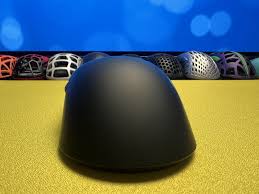
The mouse is probably the most noticeable upgrade for many players, especially in competitive games where quick reactions matter. I noticed the difference almost immediately after switching from a regular office mouse to a proper gaming model. Movement felt smoother, aiming became more precise, and fast camera turns no longer felt delayed or inconsistent.
This is one of the clearest examples of how gaming gear improves gaming performance. A standard office mouse is built for everyday tasks like browsing, office work, or casual use. Gaming requires much more accuracy. During intense matches, cheap sensors may skip movement, struggle with fast swipes, or create inconsistent tracking. That becomes frustrating very quickly, especially in FPS games where every second matters.
A proper gaming mouse solves many of those problems. Better sensors improve tracking accuracy, while lower input delay helps movements feel faster and more responsive. That is why many players search for the best gaming mouse for better aim before upgrading the rest of their setup. A reliable mouse can genuinely improve control during fast gameplay.
The keyboard also plays a major role. A mechanical keyboard usually feels faster and more responsive than standard membrane models. Key presses register more consistently, which becomes useful during competitive matches where timing matters. Many players invest in the best gaming keyboard for fast response because quicker actuation can make movement and reactions feel smoother during gameplay.
Audio matters too, especially in multiplayer games. A quality gaming headset for competitive gaming helps players hear footsteps, reload sounds, and enemy movement more clearly. That extra awareness can create a real advantage during ranked matches. I used to underestimate gaming headsets until I realized how much information good audio provides during online shooters.
Many people still ask, does gaming gear improve performance or is it mostly marketing? From my experience, the answer depends on the product quality and the type of games being played. Expensive RGB lighting alone will not magically improve skills, but responsive accessories absolutely help create a smoother and more consistent experience.
The biggest improvement usually comes from comfort and reliability. When my mouse tracks properly, my keyboard responds instantly, and my headset delivers clear sound, I can focus completely on gameplay instead of fighting with my equipment. That difference may seem small at first, but during long gaming sessions, it becomes very noticeable.
And honestly, missing a shot because of poor aim feels bad enough already. Missing it because my mouse suddenly decides to “take a coffee break” feels even worse.
Better Sensors Create More Precise Movement
Modern gaming mice use advanced optical sensors that track movement with far better accuracy than standard office mice. That improvement may sound small at first, but I noticed the difference almost immediately during competitive matches. My movements felt smoother, aiming became more controlled, and fast reactions felt more natural during gameplay.
That is one reason many gamers search for how to improve gaming performance with gaming gear before upgrading their setup. A good mouse can directly affect reaction speed, precision, and overall consistency during matches.
Modern sensors help with:
- smoother aiming
- better cursor control
- improved tracking consistency
- fewer movement errors
- faster response times
I noticed the biggest improvement while playing fast-paced shooters. Tiny aim adjustments became easier because the cursor responded more accurately to my hand movements. Flick shots also felt cleaner. Instead of fighting against random cursor jumps, I could focus fully on the game itself.
Cheap sensors often create unpredictable movement. Sometimes the cursor skips slightly or loses tracking during quick swipes. Those tiny mistakes may not matter during casual gaming, but they become frustrating during competitive matches where every second matters.
High-quality sensors feel stable and responsive. That stability helps improve confidence during gameplay. After switching to the best gaming mouse for better aim, I realized that smoother tracking reduces unnecessary mistakes and improves muscle memory over time.
A mouse alone will not magically turn someone into an esports champion overnight, though. Skill still matters. Practice still matters. Unfortunately, no gaming accessory can save me from missing easy shots at 2 AM while half asleep.
Still, proper equipment absolutely helps.
That is why many professional players invest in low latency gaming accessories. Faster response times allow actions to register more quickly during gameplay. Even small improvements can make games feel smoother and more responsive.
I also learned that keyboards matter more than many people think. The best gaming keyboard for fast response can improve movement timing and reduce input delays during intense moments. Mechanical switches often feel faster and more accurate compared to regular keyboards, especially during competitive games.
Audio equipment also plays a major role. A quality gaming headset for competitive gaming helps detect footsteps, reload sounds, and enemy positions more clearly. Directional audio can provide a real advantage in shooters and battle royale games.
Monitors are equally important. A high refresh rate gaming monitor for smoother gameplay creates more fluid motion and reduces screen tearing. Games feel cleaner and easier to track during fast movement. After upgrading my monitor, returning to 60Hz honestly felt painful. My eyes immediately started protesting like angry customers at a slow internet café.
Comfort matters too. A proper gaming chair for long gaming sessions supports posture and reduces fatigue during extended play. Sitting comfortably helps maintain focus longer without constant back pain or discomfort.
When people ask me, “does gaming gear improve performance?” my answer is simple: yes, but only when combined with practice and smart choices. Expensive products alone do not guarantee better gameplay. The goal is finding equipment that improves comfort, responsiveness, and consistency.
Learning how gaming gear improves gaming performance becomes easier once I compare how different accessories affect reaction speed, accuracy, and overall comfort. Small upgrades across multiple devices can create a noticeable difference during gameplay.
For gamers wondering how to get better at gaming with proper gear, I usually recommend starting with the essentials first:
- a reliable gaming mouse
- a responsive keyboard
- a smooth monitor
- comfortable audio equipment
Those upgrades usually create the biggest improvement.
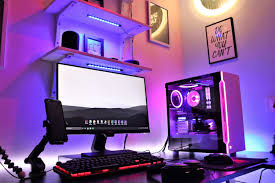
The best gaming setup for esports players focuses heavily on stability, precision, comfort, and low input delay instead of flashy marketing features. RGB lighting may look impressive, but smoother performance matters much more during competitive matches.
At the end of the day, the right gaming setup should help me stay comfortable, react faster, and play more consistently. That balance matters far more than simply having the brightest desk on the internet.
Lightweight Designs Reduce Fatigue

Heavy mice can become uncomfortable after several hours.
Lighter designs help reduce wrist strain and make fast movements easier. This is especially useful for games requiring quick reactions.
I used to ignore mouse weight completely.
Then I tested a lighter model.
Suddenly my hand moved faster without feeling tired halfway through a session. It felt strange at first, but after a few days, I could not go back.
Extra Buttons Improve Efficiency
Some games benefit from programmable buttons.
MMORPGs, MOBAs, and strategy games often require many commands. Additional buttons allow faster actions without moving fingers across the keyboard constantly.
Used properly, they save time during gameplay.
Used badly, they become tiny decorative panic buttons.
Why Gaming Keyboards Matter More Than Many People Think
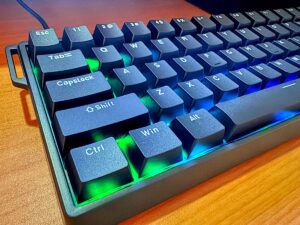
A keyboard may seem simple at first glance.
Keys are keys, right?
That was my opinion years ago.
Then I tried mechanical switches.
Now normal membrane keyboards feel like typing into warm bread.
Faster Key Response
Mechanical switches usually respond faster and feel more precise.
Each keypress becomes clearer.
That helps during games requiring:
- quick movement
- rapid inputs
- accurate timing
Movement feels more reliable because inputs register consistently.
Anti-Ghosting Helps During Fast Gameplay
Many gaming keyboards support anti-ghosting and N-key rollover.
That sounds technical, but the idea is simple.
The keyboard correctly detects multiple key presses at the same time.
This matters during intense gameplay where movement, jumping, crouching, and abilities happen together within seconds.
Without it, missed inputs can happen.
Nothing ruins confidence faster than pressing a key and getting absolutely nothing in return.
Comfort Improves Long Sessions
Comfort affects performance more than many players realize.
Poor wrist positioning creates strain during long sessions. Better keyboards often improve spacing, ergonomics, and typing comfort.
That helps maintain focus for longer periods.
I learned this after long gaming nights left my hands feeling stiff the next morning. Good ergonomics suddenly became much more interesting after that experience.
The Hidden Advantage of High Refresh Rate Monitors
This upgrade surprised me the most.
I expected only a small visual improvement.
I was wrong.
Moving from 60Hz to 144Hz felt immediately smoother.
Even simple desktop movement looked cleaner.
Smoother Gameplay Helps Tracking
Higher refresh rates display more frames every second.
That creates:
- smoother motion
- cleaner enemy movement
- easier target tracking
Fast-paced games benefit heavily from this.
Enemies appear more clearly during movement, making reactions easier.
Lower Input Delay Improves Responsiveness
Gaming monitors usually reduce input lag compared to standard displays.
That means actions appear on screen faster after clicking or pressing a key.
The difference may only be milliseconds, but competitive gaming often depends on tiny timing advantages.
Better Visual Clarity During Action
Fast response times reduce motion blur.
This helps during:
- shooters
- racing games
- esports titles
- battle royale games
Everything appears cleaner while moving quickly.
After using a high refresh monitor regularly, returning to 60Hz felt noticeably slower to me. It almost looked like the game was dragging slightly behind my movements.
Why Audio Matters More Than Graphics Sometimes
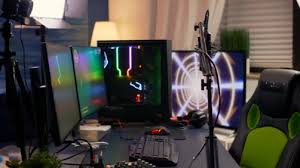
Many players spend heavily on graphics cards while ignoring audio completely. I used to do the same thing. Then I played competitive shooters with proper directional sound. The difference was immediate and honestly a bit shocking. Footsteps, reloads, and enemy movement suddenly felt clearer, almost like I had switched from “guess mode” to “precision mode.”
That experience changed how I think about how to improve gaming performance with gaming gear. I realised performance is not only about FPS or GPU power. It is also about how quickly I can react, how clearly I can hear, and how comfortably I can stay focused during long sessions.
When I started exploring how gaming gear improves gaming performance, I noticed that even small upgrades can make a noticeable difference. A better mouse improved my aiming consistency. A responsive keyboard reduced delay during fast actions. Even a decent headset improved my decision-making in competitive matches because I could hear enemy positions more accurately.
For example, choosing the best gaming mouse for better aim is not just about brand names. It is about sensor accuracy, grip comfort, and weight balance. A good mouse helps me track enemies smoothly without over-aiming or missing micro-adjustments.
Similarly, the best gaming keyboard for fast response plays a huge role in reaction-based games. Mechanical switches with lower actuation force allow faster inputs. That small improvement can decide whether I win or lose a close fight.
Audio also matters more than most people expect. A proper gaming headset for competitive gaming helps me detect direction, distance, and movement patterns. Once I started using better audio gear, I stopped relying only on visuals and began reacting faster in real-time fights.
This is where the question often comes in: does gaming gear improve performance or is it just marketing? From my experience, it does improve performance but only when the gear matches the player’s needs. Expensive equipment alone does not make someone better. It simply removes limitations so skill can show more clearly.
I also learned how to get better at gaming with proper gear is not about buying everything at once. It is about upgrading step by step. First, I improved my mouse. Then my headset. Later I focused on display and response time. Each upgrade removed a small barrier in my gameplay.
A smooth display also matters a lot. A good gaming monitor for smoother gameplay reduces motion blur and improves reaction timing. Higher refresh rates help me see movements earlier, which is a real advantage in fast-paced games.
Another factor people ignore is input delay. Using low latency gaming accessories reduces the time between action and response. That small gap can feel tiny, but in competitive gaming, it often decides outcomes.
Comfort is another hidden performance factor. A gaming chair for long gaming sessions helps maintain posture and focus. When I sit comfortably, I play longer without fatigue, and my decision-making stays sharper.
For players aiming higher, building the best gaming setup for esports players is not about decoration. It is about precision, speed, and consistency. Every piece of gear should support reaction time, accuracy, and focus.
In the end, gaming performance is a combination of skill and equipment working together. Gear does not replace practice, but it removes friction. And once those barriers are reduced, real skill becomes much easier to express.
Better Positional Awareness
Gaming headsets help identify:
- footsteps
- reload sounds
- enemy movement
- nearby combat
That extra awareness improves reaction speed naturally.
In some games, hearing an opponent one second earlier can completely change the outcome of a fight.
Team Communication Improves Coordination
Clear microphones also matter during multiplayer games.
Poor communication creates confusion fast.
A good headset helps teammates understand instructions clearly during intense situations.
Nobody wants to hear:
“Enemy on the left… no wait… other left…”
Noise Isolation Helps Focus
Background distractions affect concentration.
Noise isolation reduces outside interruptions and helps players stay focused during matches.
This becomes especially useful in busy homes or shared spaces.
Comfort Directly Affects Gaming Performance
This topic gets ignored far too often.
Many players focus only on raw performance numbers while ignoring physical comfort.
That is a mistake.
Long Sessions Require Proper Support
Poor posture creates:
- wrist pain
- neck strain
- shoulder fatigue
- back discomfort
Once fatigue appears, focus drops quickly.
A supportive chair and correct desk height improve overall comfort during long sessions.
I used to think ergonomic setups were exaggerated marketing. Then my back strongly disagreed after several long gaming weekends.
Desk Setup Changes Everything
Simple adjustments help more than people expect:
- proper monitor height
- comfortable arm positioning
- enough mouse space
- organized cable management
A clean setup reduces distractions and creates a more comfortable environment overall.
For players upgrading their full setup, I also recommend checking hardware improvements discussed in this related guide on gaming performance upgrades.
Wired vs Wireless Gaming Accessories
This debate appears everywhere.
Years ago, wired devices usually performed better.
Today, the gap is much smaller.
Wireless Technology Improved Dramatically
Modern wireless peripherals now offer:
- low latency
- stable connections
- fast response times
Many professional players even use wireless mice now.
That says a lot.
Wired Still Has Advantages
Wired accessories remove battery concerns completely.
No charging.
No battery anxiety.
No sudden shutdown during ranked matches.
That alone keeps many competitive players loyal to wired setups.
Which Option Do I Prefer?
For mice, I enjoy wireless freedom.
For keyboards, I still prefer wired reliability.
Honestly, both options work well now if the hardware quality is good.
Common Mistakes I Often See Beginners Make
Some mistakes appear constantly when people build gaming setups.
Buying Based Only on Appearance
RGB lighting looks great.
I like it too.
But lighting does not improve reaction speed.
Performance and comfort should come first.
Overspending on Features They Never Use
Many expensive accessories include advanced features most players never touch.
I always suggest focusing on:
- comfort
- sensor quality
- durability
- responsiveness
Fancy extras should come later.
Ignoring Ergonomics

Poor ergonomics create long-term discomfort.
That affects consistency over time.
Comfort should never be treated as optional.
Which Upgrades Matter Most?
Not every upgrade creates the same impact.
If I had to prioritize improvements, I would usually recommend:
- Monitor
- Mouse
- Headset
- Keyboard
- Chair and desk setup
The monitor and mouse often create the most immediate gameplay improvement.
Especially for competitive titles.
Players using older systems may also benefit from hardware upgrades like better RAM or storage. Those improvements can reduce lag and improve loading performance.
Can Better Gaming Gear Improve Skill?
This is the question many people ask.
The answer is both yes and no.
Good equipment will not magically turn someone into a professional overnight.
Practice still matters most.
But proper accessories remove limitations that interfere with performance.
That creates:
- smoother gameplay
- better consistency
- improved comfort
- faster reactions
- increased confidence
Over time, those advantages support skill development naturally.
I noticed this myself after improving my setup gradually. My gameplay became more stable because I spent less energy fighting uncomfortable hardware.
That difference matters more than many people expect.
Final Thoughts
I no longer see gaming accessories as simple decorations. I see them as performance tools that directly shape how I play, react, and stay comfortable during long sessions. A proper setup does more than look good on a desk. It improves control, consistency, precision, and overall enjoyment in ways I did not fully understand before.
When I started learning how to improve gaming performance with gaming gear, I realized small upgrades can create noticeable differences. A better mouse improves aim stability. A responsive keyboard reduces input delay. Even a comfortable chair changes how long I can focus without fatigue affecting my gameplay.
Some upgrades give instant results. For example, switching to the best gaming mouse for better aim can immediately improve tracking and flick accuracy in FPS games. A smoother sensor and lighter design help movements feel more natural. The same applies when choosing the best gaming keyboard for fast response. Faster switches and lower actuation force can make reactions quicker, especially in competitive matches where milliseconds matter.
Audio also plays a bigger role than many players expect. A good gaming headset for competitive gaming helps detect footsteps, direction, and distance more clearly. That awareness often decides whether I react first or get eliminated. So when people ask does gaming gear improve performance, my answer is yes but only when the gear actually supports gameplay needs instead of just adding extra features.
I also learned that improvement is not only about speed. It is also about control and comfort. Knowing how to get better at gaming with proper gear means choosing tools that reduce strain and improve focus. For example, a well-placed arm position, balanced mouse sensitivity, and stable keyboard layout all contribute to more consistent gameplay over time.
Display quality is another major factor. A high refresh gaming monitor for smoother gameplay makes motion clearer and reduces blur during fast movement. That clarity helps aim more accurately and track enemies better in fast-paced games. Combined with low latency gaming accessories, the entire system feels more responsive, almost like the game reacts exactly when I press a button.
Comfort is just as important as performance. A supportive chair designed for long sessions improves posture and reduces fatigue. Many players underestimate this, but a proper seat can significantly improve endurance during ranked matches or tournaments. That is why many professionals invest in setups that qualify as the best gaming setup for esports players, where every detail is optimized for long-term focus and performance.
At the end of the day, gaming improvement is not about buying everything expensive. It is about choosing the right tools that actually match playstyle and needs. A balanced setup with the right accessories often performs better than a flashy system filled with unnecessary extras.
Once I understood that, my entire approach changed. Instead of chasing trends, I started focusing on what truly supports my gameplay. And once performance, comfort, and control come together, gaming feels smoother, more stable, and genuinely more enjoyable overall.