Introduction
I have spent years comparing gaming accessories from different companies. During every gaming gear brands comparison, I noticed one important thing. Some brands charge premium prices for flashy RGB lights, while others quietly deliver reliable performance without draining my wallet. That difference matters more than most gamers think.
A high price tag does not always mean better quality. I learned that after buying a headset that looked amazing but felt like a brick on my head after two hours. My ears still remember the pain.
The good news is that several brands now offer excellent products at fair prices. Some focus on comfort. Others focus on speed, durability, or software features. Picking the right one depends on how I play and what I actually need.
Before spending money on a new setup, I always compare value instead of hype. That approach saves money and prevents regret later.
What Readers Will Learn
Choosing the right gaming setup is not always easy. Some brands focus heavily on flashy designs, while others put more effort into performance, comfort, and long-term durability. Through this Gaming gear brands comparison, I will explain which companies truly offer the best value for different types of gamers and budgets.
Here is what readers will learn from this guide:
- What “good value” actually means when buying gaming accessories
- How to compare performance, build quality, comfort, and pricing before making a purchase
- Which companies perform best in this detailed Gaming gear brands comparison
- The biggest strengths and weaknesses of popular gaming brands like Logitech, Razer, Corsair, HyperX, and SteelSeries
- Whether expensive gaming accessories are truly worth the extra money
- Which products matter most for competitive gaming, streaming, and casual gameplay
- How budget-friendly gaming equipment compares to premium setups
- Common mistakes gamers make when buying keyboards, mice, headsets, and other accessories
- Which brands offer the best balance between price and performance
- My personal recommendations for beginners, casual gamers, and experienced players
- Important features to check before buying any gaming accessory
- How to avoid paying extra for unnecessary features or marketing hype
- Which gaming companies provide better durability, software support, and long-term reliability
- Why some affordable brands can sometimes outperform expensive competitors
- Simple buying tips that can help gamers build a smarter setup without overspending
What Makes a Gaming Gear Brand Worth the Price?
I do not judge gaming accessories by appearance alone. Fancy lighting looks cool for five minutes, but comfort and performance matter much longer. A keyboard can glow like a disco party, but if the keys feel stiff during gameplay, the excitement disappears quickly.
When I compare brands, I focus on several things. I always check build quality first because weak materials rarely survive long gaming sessions. Many of the best gaming gear brands understand that durability matters just as much as performance. Strong switches, reliable sensors, and comfortable designs make a huge difference over time.
I also pay attention to comfort. A gaming headset may sound incredible, but if it hurts my ears after an hour, I know I will stop using it. The same applies to mice and keyboards. During my own gaming mouse brands review, I noticed that shape and grip style matter more than many gamers expect. Small details can completely change the experience.
Software support is another factor I consider seriously. Some products offer amazing hardware but frustrating apps. Good software should feel simple and smooth instead of turning RGB customization into a full-time job. I prefer brands that make setup easy for both beginners and experienced gamers.
Price matters too, but I do not automatically choose the cheapest option. A slightly more expensive product can sometimes last years longer. That is why I often spend time reading a full gaming accessories brands comparison before buying anything new. Comparing features side by side helps me avoid wasting money on marketing hype.
I also look at how different companies balance quality and affordability. Some top gaming gear companies focus heavily on premium features, while others deliver solid performance at budget-friendly prices. Neither approach is wrong. The best choice depends on how often I play and what features I actually need.
Keyboards are another category where value becomes important. During a gaming keyboard brands comparison, I noticed that some budget models perform surprisingly well. Expensive switches and extra RGB effects do not always improve gameplay. Sometimes a simple, reliable keyboard feels much better than a flashy one loaded with features I may never use.
In the end, good value comes from balance. I want gear that feels comfortable, performs consistently, and lasts long enough to justify the price. If a product can do all that without emptying my wallet, it already earns my attention.
Build Quality
Cheap plastic usually reveals itself quickly. Loose buttons, weak cables, and worn-out ear cushions become annoying fast.
Good brands use stronger materials. Their products survive years of use instead of months.
Comfort
Comfort matters more than many gamers admit.
A headset can sound amazing, but if it squeezes my head like a stressed gym coach, I will stop using it. The same goes for keyboards and mice.
Long gaming sessions demand comfortable equipment.
Software Experience
Some companies create excellent hardware but frustrating software.
I prefer simple customization tools that work properly. Nobody wants software crashes while changing RGB settings at 2 AM.
Price Compared to Features
This is where true value appears.
A budget mouse with strong tracking and solid buttons can outperform a flashy premium option loaded with features I may never use.
That is why I always compare performance first and marketing second.
Logitech – My Favorite Overall Choice
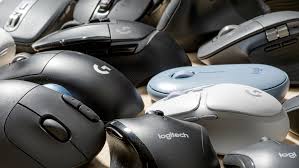
If I had to recommend one brand to most gamers, I would probably choose Logitech.
Their products usually balance quality, comfort, and pricing very well. They also make gear for beginners and experienced players.
I have used several Logitech mice over the years, and many lasted longer than expected. Their sensors feel accurate, and the buttons stay responsive even after heavy use.
Their keyboards are also dependable. Some premium models cost more, but even mid-range options perform nicely.
Another reason I like Logitech is consistency. Their products rarely feel risky.
That matters because buying gaming accessories should not feel like gambling in a casino with RGB lights.
For people building a setup for the first time, Logitech is a safe starting point.
If you are also researching brands before building a gaming space, I recommend checking my thoughts on gaming companies. That comparison helped me understand how different manufacturers approach performance and pricing.
Pros
- Reliable performance
- Comfortable designs
- Good software support
- Strong options for different budgets
Cons
- Some premium products feel overpriced
- RGB software can occasionally be heavy
Razer – Premium Features With Premium Pricing
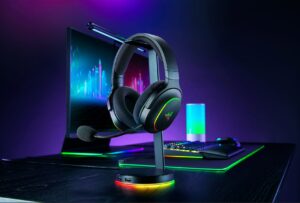
Razer products usually look fantastic.
Their RGB lighting is sharp, their designs feel modern, and their products often target competitive gamers.
I understand why many players love the brand.
Their gaming mice are extremely responsive. Their keyboards also feel fast and satisfying during gameplay.
Still, I often notice one issue.
The prices can climb quickly.
Some products cost significantly more than competitors offering similar performance. That does not mean Razer products are bad. Far from it. Many are excellent.
I simply think buyers should carefully compare features before spending extra money.
If aesthetics and customization matter a lot, Razer becomes attractive. Their ecosystem works nicely together.
And yes, their desks sometimes look like futuristic spaceship control panels. That can be either amazing or slightly terrifying depending on the person.
Pros
- Excellent gaming performance
- Stylish RGB lighting
- High-quality sensors and switches
- Strong customization features
Cons
- Expensive pricing
- Some products focus heavily on appearance
Corsair – Strong for Full Gaming Setups
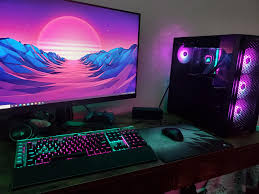
Corsair performs especially well for gamers building complete setups.
Their keyboards, RAM, cooling systems, and accessories often connect smoothly through one software platform. That convenience helps keep setups organized.
I particularly like some of their mechanical keyboards. Many feel durable and responsive.
Their products also usually look premium without becoming overly flashy.
Still, Corsair pricing can sometimes enter luxury territory.
For serious gamers or streamers, the investment may make sense. Casual players may prefer more affordable alternatives.
I think Corsair works best for people who enjoy coordinated setups and long-term upgrades.
Pros
- Great ecosystem integration
- Durable products
- Excellent keyboard quality
- Attractive designs
Cons
- Higher prices
- Software may consume system resources
HyperX – Excellent for Budget Buyers
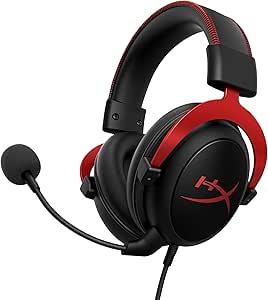
HyperX surprised me when I first tried their products.
Their headsets especially offer impressive comfort for the price. Some budget models compete well against expensive alternatives.
That is not something I expected initially.
Many gamers simply want reliable performance without paying premium prices. HyperX understands that audience well.
Their products usually avoid unnecessary extras and focus more on practical use.
I also appreciate their clean designs. Not every headset needs enough RGB lighting to alert nearby aircraft.
For beginners or casual gamers, HyperX gives strong value.
Pros
- Comfortable products
- Affordable pricing
- Beginner-friendly options
- Simple designs
Cons
- Fewer advanced features
- Limited premium customization
SteelSeries – Built for Competitive Gaming
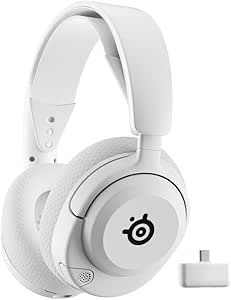
SteelSeries focuses heavily on esports and competitive performance.
Their mice often feel lightweight and precise. Their headsets also provide strong sound positioning, which helps during online shooters.
That directional audio can make a difference during competitive matches.
I have noticed many professional players use SteelSeries products because of their reliability.
The company also avoids excessive visual distractions. Most products feel clean and performance-focused.
Still, pricing varies widely. Some models provide excellent value, while others compete directly with premium brands.
Pros
- Great esports performance
- Comfortable headsets
- Accurate sensors
- Minimalist designs
Cons
- Some expensive models
- Software can feel complicated initially
Budget vs Premium Gear – Is Expensive Always Better?
Not always.
This is probably the biggest lesson I learned after years of testing accessories.
Premium products often include:
- stronger materials
- extra customization
- advanced sensors
- wireless technology
- RGB synchronization
Those features are useful for some gamers.
But many casual players do not need ultra-premium equipment.
A mid-range mouse can still perform excellently during competitive matches. The same applies to keyboards and headsets.
I usually recommend balancing budget and priorities instead of chasing the most expensive option available.
Good value comes from buying features I will actually use.
Which Brand Fits Different Types of Gamers?
Best for Beginners
I recommend:
- Logitech
- HyperX
Both brands offer reliable products without overwhelming new users.
Best for Competitive Players

I would choose:
- Razer
- SteelSeries
They focus strongly on speed and precision.
Best for RGB Lovers
Corsair and Razer dominate this category.
Their setups can look incredible when fully synchronized.
Best for Budget Setups
HyperX and Logitech provide strong affordability without sacrificing too much quality.
Common Mistakes People Make When Buying Gaming Accessories
I see several mistakes repeated constantly.
Buying Based Only on Appearance
RGB lighting looks nice, but performance matters more.
Ignoring Comfort
Uncomfortable equipment becomes frustrating quickly.
Overspending on Features
Many gamers buy advanced features they rarely use.
Forgetting Compatibility
Some accessories work better within certain ecosystems.
Checking compatibility first prevents headaches later.
My Final Thoughts
After comparing multiple companies, I believe Logitech currently offers the best overall value for most gamers. Their balance between quality, pricing, durability, and comfort feels reliable across many categories. That is one reason why Logitech frequently appears in discussions about the best gaming gear brands available today.
Still, every company has its own strengths. Some focus heavily on competitive performance, while others prioritize design, comfort, or customization. That is why doing a proper gaming accessories brands comparison matters before buying anything expensive.
Razer stands out for premium features and advanced RGB customization. Their products often attract competitive players who want speed, responsiveness, and a modern setup aesthetic. Corsair performs especially well for people building complete gaming stations with synchronized lighting and high-end accessories. HyperX remains one of my favorite affordable gaming gear brands because their products usually deliver solid comfort and dependable quality without pushing prices too high. SteelSeries also deserves attention because many esports players trust their headsets and mice during competitive matches.
When I compare the top gaming gear companies, I always notice one thing: expensive products are not automatically better. Some mid-range accessories perform almost as well as premium models while costing much less. That difference becomes important for gamers trying to build a smart setup without emptying their bank account.
For example, during a gaming keyboard brands comparison, I often find that several budget mechanical keyboards provide excellent typing and gaming performance. Paying double the price sometimes only adds extra RGB effects or slightly improved materials. The same thing happens during a gaming mouse brands review. A lightweight mouse with a good sensor can outperform a flashy premium model packed with features I may never actually use.
Headsets are another category where value matters. Many gamers assume the most expensive option must sound best, but that is not always true. Some of the best gaming headset brands now offer affordable models with impressive audio quality, comfortable ear cushions, and strong microphone performance.
The debate between budget vs premium gaming gear also depends heavily on personal habits. Casual players usually do not need ultra-premium accessories built for esports tournaments. Competitive gamers, however, may appreciate faster switches, lower latency, or advanced software customization.
I think the smartest approach is focusing on performance, comfort, and long-term reliability instead of marketing hype. A proper gaming peripherals comparison helps reveal which products genuinely improve gameplay and which ones simply look impressive in advertisements.
At the end of the day, the best value gaming gear brands are the ones that balance pricing, durability, features, and comfort in a practical way. That balance matters far more than owning the most expensive setup online.
And honestly, my keyboard does not need enough RGB lighting to communicate with aliens. One rainbow effect is already plenty.