Introduction
I often find myself asking a simple question before upgrading any setup: is expensive gaming gear worth it, or does it just look better on a desk? When I evaluate upgrades, this question always comes first because the answer is not always as obvious as marketing makes it seem. With gaming accessories, price tags can be misleading, and small improvements are often presented like major performance jumps.
In reality, is expensive gaming gear worth it depends on what a player actually needs. Some upgrades deliver noticeable improvements in speed, comfort, and precision, while others only change design or aesthetics. That is why I never judge equipment only by its cost or branding.
In this article, I’ll break down what really separates expensive gaming gear from budget-friendly options, where performance differences actually matter, and when spending more money is genuinely justified.
What You Will Learn
- Why some gaming gear costs significantly more than others
- Whether expensive gaming gear improves real gameplay performance
- Where budget setups perform surprisingly well
- How marketing influences buying decisions
- When upgrading gear is actually worth the money
- What matters more than price in gaming performance
What Makes Gaming Gear Expensive?
When I look at premium gaming equipment, I notice the price is rarely connected to just one feature. Most of the time, the cost comes from a combination of branding, design quality, engineering, and smaller technical upgrades. That is why many gamers keep asking, is expensive gaming gear worth it, especially when some products cost several times more than budget alternatives.
A few major factors usually influence pricing:
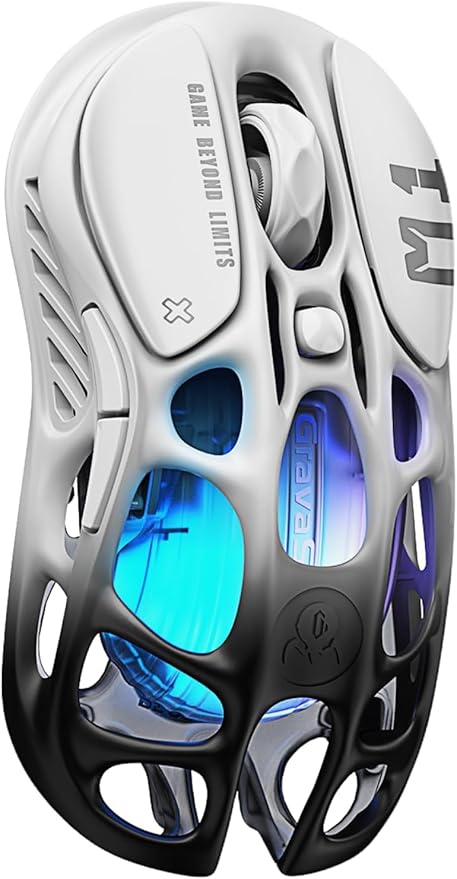
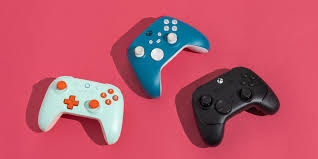
- Advanced sensors in mice and controllers
- Higher-quality materials for durability
- Custom software and tuning features
- Strong branding and esports sponsorships
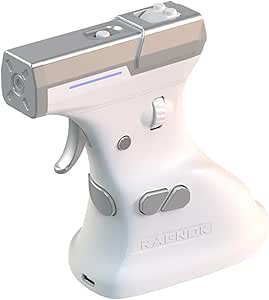
- Extra additions like RGB lighting and modular designs
Many companies also invest heavily in marketing, influencer partnerships, and professional esports teams. Those costs eventually become part of the product price. This is why discussions around gaming gear price vs performance have become more important in recent years.
From my experience, premium products often feel more refined rather than dramatically different. A high-end mouse may track more smoothly. A premium keyboard may feel faster and sturdier. A costly headset may offer clearer sound positioning. But the actual improvement in gameplay is sometimes smaller than advertisements suggest.
That is where the debate about budget vs expensive gaming gear becomes interesting. Budget products today have improved significantly. Some affordable accessories now deliver performance close to premium models while costing much less. Because of that, I do not think every expensive accessory automatically becomes a smart purchase.
I also notice many gamers asking, does expensive gaming gear improve performance? In some situations, yes. Competitive players may benefit from lower latency, better sensors, and improved durability. However, casual players often see only small differences during everyday gaming.
Another important point is branding. Some companies charge premium prices mainly because of reputation and popularity. That does not always mean the product performs better. It simply means the company has positioned itself as a premium option in the market. This is why many people wonder, is high-end gaming gear worth it compared to mid-range alternatives.
Personally, I think buyers should focus more on long-term value than hype. Some premium accessories genuinely last longer and provide better comfort during extended sessions. Others mainly offer cosmetic upgrades with limited practical benefits. That distinction matters when deciding whether premium gaming accessories worth it for your setup.
I also do not believe is costly gaming gear necessary for becoming a better gamer. Skill, consistency, and experience still matter far more than expensive hardware. A smart mid-range setup can often deliver excellent performance without forcing someone to overspend.
That is why I usually recommend researching carefully before buying anything expensive. A proper gaming gear investment guide should focus on real-world usability, comfort, reliability, and performance consistency instead of flashy marketing claims.
At the end of the day, the smartest buyers usually look for the best value gaming gear options rather than the most expensive products on the shelf.
Does Expensive Gaming Gear Actually Improve Performance?
This is where things get interesting.
I notice performance improvements usually fall into three areas:
Responsiveness
High-end mice and keyboards often reduce input delay slightly. For competitive FPS players, even a small improvement can matter. But for casual gaming, it’s barely noticeable.
Precision
Better sensors can track movement more accurately. This helps in fast-paced games where aim consistency matters.
Comfort over time
This is often overlooked. Expensive gear usually feels better during long sessions. Better ergonomics reduce strain, especially for people who play or work for hours.
Still, I don’t see expensive gaming gear magically improving skill. It supports performance, but it doesn’t replace practice.
Where Budget Gaming Gear Surprises Me

One thing I keep noticing is how much affordable gaming equipment has improved over the years. Whenever people ask me, “is expensive gaming gear worth it?”, I honestly think the answer depends heavily on expectations, playstyle, and budget.
Today, many lower-cost setups already provide surprisingly strong performance for everyday gaming. Several brands now focus on improving the overall gaming gear price vs performance balance instead of simply adding flashy features.
Many affordable setups now offer:
- Stable performance for casual and mid-level gaming
- Solid build quality for the price
- Comfortable designs for longer sessions
- Good enough response times for most players
- Reliable sensors and switches without premium pricing
Because of that, the difference in the budget vs expensive gaming gear debate is often smaller than people expect.
I’ve tested products where a budget mouse performed nearly as well as a premium version during normal gameplay. The expensive model usually included extra customization, lighter materials, or advanced RGB effects, but actual gameplay improvements were sometimes minor.
That is why I often question whether certain premium gaming accessories worth it claims are fully justified for average players. Some high-end products absolutely deliver better quality and smoother performance, especially for competitive gamers. Still, many casual users may never notice enough difference to justify spending significantly more.
I also think many people misunderstand the question does expensive gaming gear improve performance. Better hardware can improve consistency, comfort, and responsiveness, but it rarely transforms skill overnight. A smoother experience helps, but practice still matters more than price tags.
Another thing I’ve realized is that is high-end gaming gear worth it depends on how seriously someone plays. Competitive players who spend hours training every day may appreciate small performance advantages. Casual gamers usually benefit more from smart upgrades rather than ultra-premium setups.
For many users, affordable products already deliver 80–90% of the experience. That makes several budget devices some of the best value gaming gear options currently available.
I’ve seen similar patterns across other tech categories too. Sometimes premium products offer noticeable improvements, but other times the real-world difference feels surprisingly small compared to the price increase.
That is why I always approach upgrades like a personal gaming gear investment guide rather than chasing the most expensive setup available. I prefer buying equipment that improves comfort, reliability, and actual gameplay experience instead of paying extra for features I may never fully use.
At the end of the day, I no longer believe is costly gaming gear necessary has one universal answer. For some gamers, premium products make perfect sense. For others, a balanced mid-range setup already provides everything needed for enjoyable and competitive gameplay.
How Marketing Shapes Buying Decisions

I’ve learned that marketing plays a bigger role than most people realize.
A few common influences include:
- “Used by professional gamers” messaging
- Heavy focus on RGB lighting and aesthetics
- Small technical improvements presented as major upgrades
- Influencer endorsements
- Fear of missing out in gaming communities
Sometimes, I feel like the packaging tells a more exciting story than the product itself. And honestly, that’s intentional.
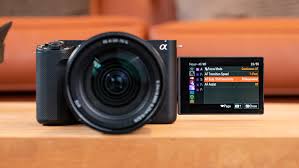
This is similar to how camera marketing highlights subtle differences between models that most users won’t notice in everyday use. The same pattern appears in gaming gear advertising.
When Expensive Gaming Gear Is Actually Worth It
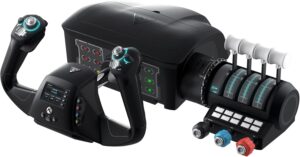
I don’t think expensive gaming gear is useless. It just depends on who is using it.
It makes sense when:
Competitive gaming matters
If someone plays esports titles seriously, small improvements in response time and precision can matter.
Long sessions are common
Better ergonomics and build quality reduce fatigue over time.
Reliability is important
High-end gear tends to last longer under heavy use.
Content creation is involved
Streamers and creators benefit from stable, consistent performance.
In these cases, paying more is less about luxury and more about reducing limitations.
When You Should Avoid Overspending
I usually advise against expensive upgrades when:
- Gaming is casual or occasional
- The user is still learning mechanics
- The current setup already performs well
- The upgrade cost outweighs visible benefit
I’ve seen many people upgrade gear expecting immediate improvement, only to realize performance barely changes. It’s a bit like upgrading a tool before learning how to use it properly.
Interestingly, this mindset also shows up in other tech decisions, such as choosing devices in categories like mid-range Android phones, where the smartest choice is often not the most expensive one.
Budget vs High-End Gaming Gear Comparison
When I compare both sides directly, I usually look at four areas:
Performance
High-end gear offers slight improvements, but not game-changing differences for most users.
Build quality
Premium devices feel more solid and durable.
Comfort
This is where expensive gear stands out the most.
Value for money
Budget gear often delivers better overall value unless specific needs justify the upgrade.
The truth is, both categories are much closer in real-world use than marketing suggests.
What Actually Matters More Than Price
After testing and observing different setups, I’ve found that performance depends less on price and more on usage habits.
Things that matter more than expensive gear:
- Proper in-game settings
- Stable FPS and system optimization
- Consistent practice and skill development
- Comfortable setup arrangement
- Sensitivity and control preferences
A high-end mouse won’t fix inconsistent aim. A premium keyboard won’t improve decision-making speed in games.
Gear supports performance, but skill drives it.
A Simple Reality Check I Use
Before buying any upgrade, I ask myself:
- Will this improve comfort noticeably?
- Will this reduce frustration or limitations?
- Or am I just reacting to marketing appeal?
If the answer is unclear, I usually wait. Most of the time, I realize later that I didn’t need the upgrade at all.
Final Thoughts
So, is expensive gaming gear worth it?
My honest answer is: sometimes, but not always. After comparing different setups over time, I realized that the real question is not simply whether expensive gaming gear worth it, but whether the extra features actually improve the gaming experience in a meaningful way.
For competitive players or people who spend many hours gaming daily, premium products can provide noticeable comfort and consistency advantages. Better materials, improved sensors, smoother switches, and lower latency often create a more refined experience. That is why many gamers ask, is high-end gaming gear worth it for esports or ranked gameplay. In some cases, the answer is definitely yes.
Still, I think the discussion around gaming gear price vs performance is extremely important. Many mid-range accessories now perform surprisingly well and deliver excellent value without requiring massive spending. A budget-friendly mouse or keyboard can still feel responsive and reliable for most players.
I also noticed that people often assume all premium products are automatically superior. That is not always true. Some flashy devices focus heavily on appearance rather than actual gameplay benefits. This is where the debate around premium gaming accessories worth it becomes more practical than emotional.
When comparing budget vs expensive gaming gear, the difference usually becomes smaller for casual players. Competitive gamers may notice lower latency or faster response times more clearly, while casual users might not feel a huge change during normal gameplay.
So, does expensive gaming gear improve performance? Yes, to a certain extent. It can improve responsiveness, comfort, and consistency. But it does not magically increase skill or replace practice. That part still depends on the player.
I also do not believe is costly gaming gear necessary for enjoying games. Many affordable setups already provide smooth gameplay, good comfort, and strong durability. Spending more only makes sense when the added features genuinely match personal needs.
That is why I always recommend focusing on the best value gaming gear options instead of automatically buying the most expensive products available. Smart buying decisions usually come from understanding priorities rather than chasing hype.
At the end of the day, a good gaming gear investment guide should focus on balance. Comfort, reliability, performance, and realistic pricing matter far more than flashy marketing or oversized RGB lighting.
In gaming, as in most tech decisions, better choices come from clarity not cost.