Introduction
I’ve spent years observing how different gaming setups affect performance, comfort, and consistency. One thing became clear early on: the difference between average and excellent gameplay often comes from the equipment being used.
That’s exactly why understanding what makes good gaming gear is so important. It’s not about chasing the most expensive setup on the market it’s about choosing the right combination of tools that actually supports how you play.
In my experience, many players struggle with aim, reaction time, and even fatigue, not because of skill, but because of poor equipment choices. Once they start paying attention to what to look for in gaming peripherals, even small upgrades can lead to noticeable improvements in control, comfort, and overall performance.
The truth is simple: the right gear doesn’t just enhance your setup it changes how consistently and confidently you play.
What You’ll Learn Here: Best Features of Gaming Gear & How to Choose Gaming Gear
When I first started learning about gaming gear, I honestly thought a good setup only meant buying an expensive mouse and keyboard. Later, I realized there’s much more to it than that.
A gaming setup is built from several parts working together. Your headset, mouse pad, monitor, keyboard, chair, and even the way your desk is arranged can affect how comfortable and focused you feel while gaming. Small things often make a bigger difference than most people expect.
In this guide, I’ll talk about the things that actually matter when choosing gaming gear and explain the best features of gaming gear you should pay attention to. I won’t only focus on technical specifications or marketing claims. Instead, I’ll explain how different gear feels during real gameplay and why comfort and consistency are just as important as performance.
You’ll also learn how to choose gaming gear in a smart way without wasting money. I’ve seen many players spend a lot of money on gaming gear they didn’t really need. At the same time, I’ve also seen simple setups perform surprisingly well because the equipment matched the player properly.
Another thing I’ll cover is the common mistakes people make while buying gaming accessories. Many beginners copy professional setups without understanding their own playstyle first. That usually leads to wasted money and disappointment later.
I’ll also share the features I personally pay attention to when evaluating the best features of gaming gear before recommending any gaming setup. Things like comfort during long sessions, durability, responsiveness, and overall usability matter much more to me than flashy designs or unnecessary features.
By the end of this guide, you’ll have a much clearer understanding of what makes gaming gear actually worth using and a better idea of how to choose gaming gear that fits both your gaming style and your budget naturally.
What I Mean by Gaming Equipment
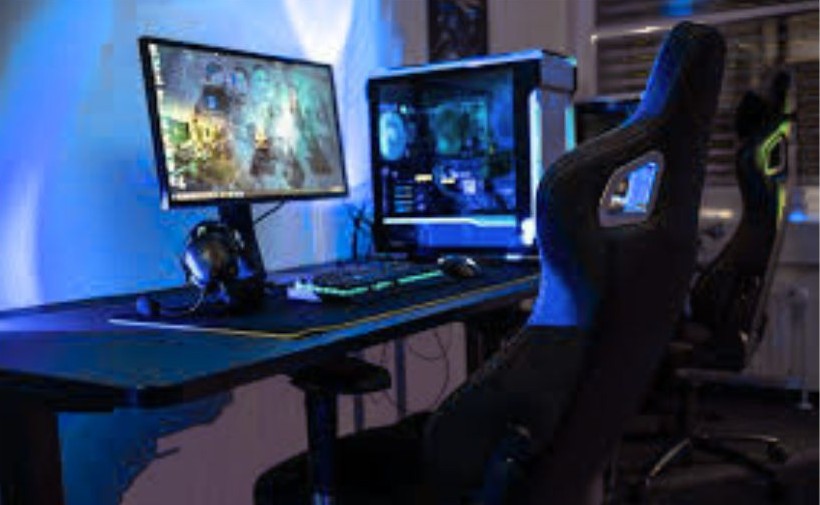
When I talk about gaming equipment, I’m not only referring to flashy RGB keyboards or expensive gaming mice. A real gaming setup is much bigger than that. It includes every piece of equipment that affects how you play, react, move, and stay comfortable during long gaming sessions.
For me, gaming equipment means the complete setup you interact with every time you sit down to play.
That includes:
- Mouse
- Keyboard
- Monitor
- Headset
- Gaming chair
- Controller (for console or hybrid players)
Each part has its own job, and together they shape your overall gaming experience.
Your mouse affects aim, tracking, and reaction speed.
Your keyboard controls movement, timing, and responsiveness.
Your monitor changes how smooth and clear the game feels.
A good headset helps you hear important details like footsteps, direction, and in-game audio cues.
Even your chair matters more than many people think because comfort directly affects focus during long sessions.
I learned over time that one weak piece of gear can make the entire setup feel uncomfortable or inconsistent. You may still be able to play, but something will always feel slightly off. It’s similar to driving a fast car with one damaged tyre. The car still moves, but the experience is unstable and far from smooth.
That’s why I always look at gaming gear as a complete system instead of separate products. Good gameplay usually comes from balance. You do not need the most expensive setup, but you do need equipment that works well together and feels natural for your style of play.
Sometimes even a small change can improve the experience noticeably. A better mouse shape may improve control. A more comfortable chair may help you focus longer. A smoother monitor can make fast movements easier to track. These details may seem small individually, but together they can completely change how gaming feels day to day.
In the end, good gaming equipment is not only about appearance or price. It’s about creating a setup that helps you play comfortably, consistently, and confidently every time you start a game.
Why Good Equipment Changes Gameplay
I’ve noticed a pattern over time. Players often blame their skills first. But in many cases, the issue is mechanical, not personal.
For example:
- A slow monitor can delay reaction time
- A heavy mouse can reduce aiming control
- Poor audio can hide enemy movement
- Bad posture can reduce focus within 30–40 minutes
Even small upgrades can create noticeable improvement.
It’s similar to photography. Two people can use cameras with similar specs, but the results differ based on how smoothly the tools respond. I once read a comparison on mirrorless vs DSLR limitations that highlighted how equipment choice directly affects output quality. The same logic applies here.
Core Features I Always Look For
Before choosing or recommending any setup equipment, I focus on a few key areas. These are consistent across all devices.
- Responsiveness
- Comfort during long sessions
- Build quality
- Customisation options
- Compatibility
- Stability under pressure
If a device performs well in these areas, it usually delivers a solid experience in real gameplay.
Responsiveness Comes First
I always start with speed.
If something feels delayed, it affects everything else.
For example:
- Mouse input delay affects aim
- Keyboard delay affects reaction timing
- Monitor delay affects visual feedback
A good setup responds instantly. No hesitation. No lag feeling.
Even a 1ms difference might not sound like much, but in fast games, it can decide outcomes.
Comfort Is Not Optional
I used to ignore comfort when I started. That was a mistake.
Now I see it differently.
If your hand hurts or your posture breaks down, your performance drops without warning.
Good design should:
- Support natural wrist position
- Reduce strain during long use
- Feel stable, not forced
A comfortable setup doesn’t make you play better instantly. It simply allows you to stay consistent longer. That alone is a major advantage.
And yes, I’ve seen players win more just because they stopped adjusting their chair every 10 minutes.
Build Quality Matters More Than People Think
Cheap materials often fail quietly.
It might start with:
- Loose keys
- Worn-out mouse clicks
- Headset crackling sound
Then it slowly affects gameplay confidence.
I always prefer durable build over extra features I don’t need. A stable device is easier to trust during high-pressure moments.
Think of it like driving. You don’t want the steering to feel unpredictable, even slightly.
Customisation Helps Fit the Player
Not every player uses equipment the same way.
That’s why flexibility matters.
I look for:
- Adjustable sensitivity (DPI levels)
- Programmable buttons
- Key remapping options
- Adjustable lighting or modes (if needed)
Customisation doesn’t improve skill directly. But it helps match the tool to the player’s habits.
And when the tool fits you properly, everything feels smoother.
Audio Quality Is Often Ignored
This is one of the most overlooked areas.
Good sound can:
- Help detect enemy movement
- Improve reaction timing
- Increase awareness in team games
Bad sound does the opposite. It creates confusion.
I always test whether directional audio feels clear. If I can’t tell where sound is coming from, I don’t consider it reliable for serious play.
Display Quality Can Change Your Reaction Time
A monitor is more important than many people think.
Key factors I focus on:
- Refresh rate (higher feels smoother)
- Response time (lower is better)
- Screen clarity
A higher refresh rate gives a smoother visual flow. It reduces the feeling of delay between action and screen feedback.
Once you experience a fast display, going back feels surprisingly uncomfortable.
Mistakes I Commonly See Players Make
I’ve seen these mistakes repeatedly:
- Spending too much on appearance instead of function
- Ignoring comfort until pain starts
- Copying professional setups without understanding needs
- Choosing based on brand hype
- Mixing incompatible devices
One of the biggest issues is assuming expensive automatically means better. That’s not always true.
A well-balanced mid-range setup often performs better than a mismatched high-end one.
Even in other tech areas, like smartphones, I’ve seen this pattern clearly. A balanced device often outperforms a spec-heavy one that doesn’t suit the user’s needs something I’ve also noticed while comparing options like best mid range Android phones in different usage scenarios.
How I Personally Evaluate a Setup
When I test gaming equipment, I don’t start by looking at specs or marketing claims.
I start with feel.
Over time, I’ve realized that numbers on a box don’t always reflect how something actually performs in real gameplay. What matters more is how the gear behaves when you are fully focused, under pressure, and trying to stay consistent.
My process is simple but very intentional:
I check response speed during real gameplay situations, not just in theory. I pay attention to how quickly the gear reacts when I move, click, or aim.
I test comfort after at least one hour of continuous use. Many devices feel fine at first, but discomfort usually shows up later when your hand, wrist, or focus starts to fatigue.
I evaluate control accuracy to see how precise and stable my movements feel, especially in fast or repetitive actions.
I look for consistency under pressure, because a good setup should perform the same way in casual play and intense moments.
I also check if anything distracts me during use whether it’s weight balance, input delay, awkward shape, or anything that pulls my attention away from the game.
This is where what to look for in gaming peripherals becomes very important. Instead of focusing only on brand names or specs, I focus on how each peripheral actually supports control, comfort, and long-term stability.
Over time, I’ve also learned the importance of choosing the best gaming setup essentials. A good setup isn’t about having everything—it’s about having the right basics that work together smoothly, like a responsive mouse, a stable keyboard, a clear headset, and a comfortable layout that doesn’t interrupt your focus.
When everything is aligned properly, you naturally start noticing the best features of gaming gear things like smooth tracking, fast response time, ergonomic design, durable switches, and consistent performance during long sessions.
If something feels “off,” I notice it quickly. Good equipment disappears in the background while you play. Bad equipment keeps reminding you it’s there.
And in gaming, that difference changes everything.
Balancing Budget and Performance
Not everyone needs premium gear.
I always suggest dividing priorities:
- High priority: mouse, keyboard, monitor
- Medium priority: headset
- Flexible: aesthetic upgrades
Spend where it impacts gameplay directly.
Avoid spending heavily on features you won’t use. RGB lighting looks nice, but it won’t improve reaction time.
A balanced setup usually wins over an expensive but unbalanced one.
Conclusion
Over the years, I’ve learned that gaming performance is not only about skill, practice, or reaction time. Those things definitely matter, but the equipment you use also plays a huge role in how consistently you can perform.
Even talented players can struggle when their setup feels uncomfortable, slow, or unreliable. I’ve experienced this myself many times. Small issues like an uncomfortable mouse shape, a poor-quality headset, or an unresponsive keyboard may not seem important at first, but over time they create frustration and affect overall gameplay more than people realize.
That’s why I no longer look at gaming gear as just accessories. I see them as tools that directly support the way you play, especially when you understand what makes good gaming gear and how each part of your setup contributes to performance.
The right setup will not magically turn someone into a professional player overnight. But it can remove distractions, reduce unnecessary movement, improve comfort, and help you stay focused during long gaming sessions. When your gear feels natural, you spend less time fighting your setup and more time improving your gameplay.
That’s why a proper gaming mouse keyboard headset guide is so important it helps you understand how each device impacts control, speed, and overall experience.
If I had to summarise my approach in one simple idea, it would be this:
Focus on control, comfort, and consistency first.
These three things matter more than flashy designs, expensive branding, or marketing features. A setup that feels comfortable and reliable every single day is far more valuable than one that only looks impressive on a desk. That’s especially true when choosing important gaming gear for beginners, where the goal should be stability and ease of use rather than complexity.
I also believe many people make gaming gear more complicated than it needs to be. You do not always need the newest or most expensive equipment. In many cases, a balanced setup that fits your personal playstyle will perform much better than a high-end setup that feels awkward to use. This is where understanding competitive gaming gear features becomes important, because it helps you focus only on what actually impacts performance like sensor accuracy, key response time, and headset clarity.
At the end of the day, the best gaming setup is the one that disappears while you play. Once everything feels right, you stop thinking about the mouse in your hand, the keyboard on your desk, or the headset on your ears. Your full attention goes directly into the game, your reactions feel more natural, and the entire experience becomes smoother and more enjoyable.
And honestly, that is when gaming feels the best.