

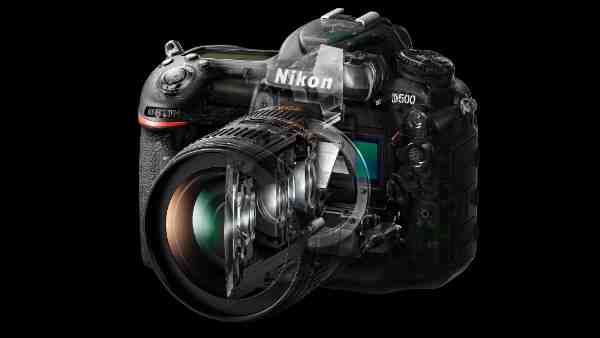
I get asked this all the time: Should I buy a DSLR or go for a mirrorless camera?
At first, it sounds like an easy decision. You check a few YouTube videos, compare specs, and think you’re ready. But once you start digging deeper into the whole mirrorless camera vs DSLR debate, things get messy. Fast.
I’ve been through this myself. I’ve used both types over the years. Some features impressed me right away. Others? Not so much. And a few problems only showed up after weeks of use.
That’s the part most guides skip. They talk about features. They rarely talk about real-life experience.
So instead of repeating the usual points around mirrorless camera vs DSLR, I’m going to share what actually matters after you buy the camera. The small frustrations. The hidden costs. The things you only notice when you start using it daily.
What You Will Learn
The real difference between mirrorless and DSLR
5 hidden problems most buyers don’t expect
When DSLR still makes more sense
When mirrorless might disappoint you
How to choose the right option for your needs
Mirrorless Camera vs DSLR
What Is the Difference Between DSLR and Mirrorless Camera?
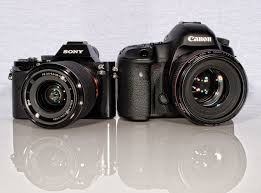
Let’s keep this simple. No technical headache.
When people first start comparing Mirrorless Camera vs DSLR, things can feel confusing very quickly. But the core difference is actually easy to understand.
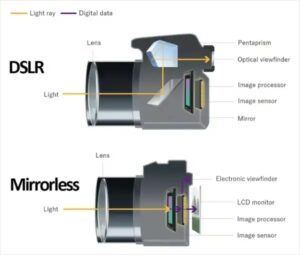
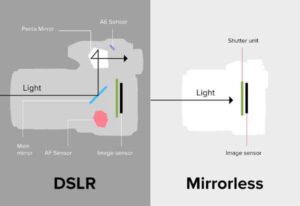
A DSLR uses a mirror inside the body. The mirror system lets you look directly through the lens when you look through the viewfinder. It’s a more traditional way of shooting, and many photographers still prefer that experience.
A mirrorless camera removes that mirror completely. Instead, it shows you a digital preview on a screen or electronic viewfinder. What you see is what the sensor sees, in real time.
That one design change affects almost everything.
Size becomes smaller
Battery behaves differently
Shooting experience changes
Speed and performance shift
This is exactly why the whole Mirrorless Camera vs DSLR discussion never really ends. A small internal difference creates a big gap in how these cameras feel in real use.
On paper, both options look great. Specs can be impressive on both sides. But when you actually start using them, the experience can feel very different—and that’s where the real Mirrorless Camera vs DSLR decision begins.
1. Battery Life Can Frustrate You More Than Expected
I learned this the hard way.
When I first switched to a mirrorless camera, I loved how light it felt. Carrying it all day was easy. No shoulder pain. No bulky bag.
But then came the battery problem.
It drained much faster than I expected. I’m not talking about a small difference. I mean noticeable.
With my DSLR, I could shoot for hours without thinking about charging. Sometimes even a full day.
With mirrorless? I had to keep checking the battery icon like it was a ticking clock.
Why this happens
Mirrorless cameras keep the sensor and screen active almost all the time. That eats power quickly.
My mistake
I once went out for a casual shoot. No backup battery. Big mistake. The camera died before sunset.
That moment taught me something simple:
👉 Always carry extra batteries if you go mirrorless.
2. Lens Costs Can Add Up Quickly
Here’s something many beginners overlook.
They focus only on the camera body. That’s just the start.
The real spending happens with lenses.
DSLR advantage
DSLR lenses have been around for years.
That means:
More choices
Lower prices
Easier to find used options
Mirrorless reality
Mirrorless lenses are newer. Many are still expensive. Some brands don’t have enough budget options yet.
This becomes a problem when you want to upgrade your setup.
I made this mistake early on. I bought a camera body without planning my lens budget. Later, I realized the lens I needed cost almost as much as the camera.
Not fun.
If you’re still figuring out lenses, I strongly suggest reading this, Content
It helped me avoid wasting money on the wrong gear.
3.Autofocus, Heat, and Real-World Use: What Most Reviews Don’t Tell You
When people compare **mirrorless camera vs DSLR**, autofocus is often the first thing that comes up. You’ll hear this line everywhere: *“Mirrorless has better autofocus.”*
I used to believe that too. It sounds logical. Newer tech, smarter systems, faster results. But once I started shooting in different conditions—bright sun, dim rooms, evening streets—the reality felt a bit more complex.
Most reviews focus on specs. Numbers. Features. But they don’t always show what happens when you’re actually out there trying to capture a moment. And trust me, real use is where the small differences start to matter a lot.
So instead of repeating what you already know, I want to walk you through what I’ve noticed from hands-on use. The good parts, the frustrating parts, and the things I wish someone had told me earlier.
Autofocus: Fast, But Not Always Reliable
In bright light, mirrorless cameras are genuinely impressive. I’ve used them for portraits, casual shoots, and even quick street photography sessions. The focus locks quickly. Eye detection works well. It almost feels like the camera is helping you think faster.
There were times when I barely had to adjust anything. Just point, half-press, and shoot. For beginners, this feels like magic. For professionals, it saves time.
But then comes low light.
That’s where things start to shift.
I’ve had multiple situations where my mirrorless camera struggled to lock focus. You press the shutter halfway… and the lens keeps moving back and forth. It’s searching. Hunting. And in that short moment, you can miss something important—a smile, a gesture, a perfect frame.
It doesn’t happen every time, but when it does, it’s frustrating. Especially if you’re shooting something that won’t repeat itself.
Now let’s talk about my DSLR.
It’s not as fast. You can feel that. But what surprised me was how consistent it felt in tricky lighting. Indoor shoots, low-light environments, even evening events,it didn’t panic. It locked focus more steadily.
Not perfect, but dependable.
And that’s something people don’t talk about enough. Speed is great, but consistency is what saves your shots.
A quick real-world example
I once shot a small indoor event with mixed lighting. My mirrorless camera gave me great results when the lights were bright. But during dim moments, it struggled.
My DSLR, on the other hand, didn’t feel as quick, but it gave me more usable shots in those difficult conditions.
Simple takeaway
* Bright light → mirrorless performs great
* Low light → test before you trust
If most of your work happens in good lighting, mirrorless will feel amazing. But if you often shoot indoors or at night, don’t assume it will always be better.
4. Overheating: A Problem You Don’t Expect
Here’s something I didn’t think about before buying—heat.
When I first heard about overheating issues, I thought it was rare. Something that only happens in extreme cases. But then it happened to me.
I was recording a long video. Nothing unusual. Just a steady setup. Suddenly, the camera stopped. No warning. Just a heat message and shutdown.
That moment was frustrating. Not just because the camera stopped—but because it broke my workflow. I had to pause everything and wait.
Why this happens
Mirrorless cameras are compact. That’s one of their biggest advantages. But inside that small body, there’s a lot going on—sensor, processor, display—all working continuously.
When you shoot video, especially for long periods, heat builds up. And since there’s limited space, that heat doesn’t escape easily.
DSLR situation
DSLRs are built differently. They’re bigger. That extra space helps with heat management. Also, they don’t rely on the sensor in the same constant way during shooting.
In my experience, DSLRs don’t run into overheating issues as often during normal use.
Why this matters
If you’re someone who:
* Shoots long videos
* Records interviews
* Covers events
Then overheating isn’t a small issue,it’s a real limitation.
My advice
Always check recording limits before you buy
Also, read user experiences. Not just specs. Because this is one of those problems that shows up only after real use.
5. DSLR May Feel Old… But It Still Delivers
Let’s be honest for a second.
Mirrorless cameras look modern. They feel sleek. They’re lighter and easier to carry. When you hold one, it feels like the future.
DSLRs? They feel different. Bigger. Heavier. Less exciting.
But after using both, I’ve learned something simple, older doesn’t mean worse.
My DSLR still performs like a reliable tool. It doesn’t try to impress. It just works.
Long shoots? No problem.
Battery? Lasts all day.
Grip? Feels solid in hand, even after hours.
There’s a certain confidence that comes with that. You don’t worry about it failing in the middle of a session.
Personal insight
There have been days when I chose my DSLR over a mirrorless camera simply because I didn’t want to think about battery or overheating. I just wanted to shoot without interruptions.
And that peace of mind matters more than we often admit.
So when someone asks,
*is DSLR better than mirrorless?*
I don’t give a simple yes or no.
Because sometimes, depending on your needs, DSLR really is the better choice.
DSLR Camera vs Mirrorless Camera – Pros and Cons
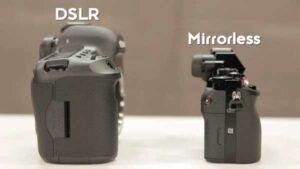
Let’s keep this simple and practical. No technical overload. Just what actually matters in daily use.
DSLR Pros
* Battery lasts much longer
* Strong and durable body
* Lenses are often more affordable and widely available
DSLR Cons
* Heavier to carry, especially for travel
* Slower in some modern features
Mirrorless Pros
* Light and compact, easy to carry
* Fast autofocus in good lighting
* Better video features in many cases
Mirrorless Cons
* Battery drains faster
* Can overheat during long use
* Lenses can cost more, especially newer ones
Both systems have clear strengths. Neither is perfect.
Is Mirrorless Better Than DSLR?
This is where most people get stuck.
The honest answer? It depends on how you plan to use your camera.
If your priority is:
* Portability
* Video features
* Modern shooting experience
Then mirrorless makes a lot of sense. It’s easier to carry and feels more advanced in many ways.
But if your priority is:
* Reliability
* Long shooting sessions
* Lower overall cost
Then DSLR still holds strong.
So instead of asking which one is better overall, ask yourself one simple question:
*What do I actually need from my camera?*
That question will give you a clearer answer than any comparison chart.
Is DSLR Better Than Mirrorless?
In certain cases, yes.
For beginners who just want a straightforward and not-too-expensive camera, I usually point them towards a DSLR. It’s also a solid option for folks who spend hours shooting events and really need good battery life.
One thing many people forget about is how important it is to properly look after their camera. If you don’t handle and store your camera with care, your gear can slowly get messed up.
I wrote down some common mistakes people often make
Just by changing these little habits, you can save money and make your equipment last much longer.
So, when it comes down to it,
Which camera should you actually pick? Mirrorless camera vs DSLR?
I can help simplify that decision a little for you. You might find a
mirrorless camera is just what you need if:
* You travel a lot
* You shoot videos all the time
* You like your setup to be light
Consider a DSLR if:
* You really need the battery to last a long time
* You’re trying to stick to a budget
* You prefer that classic camera feel when you shoot
Honestly, there’s no single best answer. The right camera is the one that fits into your daily life and your shooting preferences.
Common Mistakes Buyers Make
I’ve watched buyers make these errors countless times, and I’ll admit, I’ve fallen into some of these traps myself.
* Buying expensive stuff right away without really knowing what you need
* Forgetting about how much lenses cost, because those prices can really pile up
* Just going with what’s popular instead of thinking about what’s practical for you
* Not looking into how long the battery lasts
* Skipping enough homework before buying anything
Making these errors is common, particularly when you’re eager for new equipment. But if you take your time and truly think about how you’ll use the camera, you’ll likely steer clear of most of them. Common Questions
FAQs
What’s the real difference between a DSLR and a mirrorless camera?
A DSLR uses a mirror to reflect light into an optical viewfinder. Mirrorless cameras remove that mirror and use a digital display instead. This affects size, battery life, and shooting experience.
Is one of them, like mirrorless, simply better than a DSLR?
It depends. Mirrorless works well for video and portability.DSLR performs better for long shoots and battery life.
Is DSLR better than mirrorless?
In some cases, yes.DSLR is more reliable for long sessions and often costs less overall.
Which camera is best for beginners?
Both can work. DSLR is usually more budget-friendly. Mirrorless offers newer features. Choose based on your needs and budget.
Final Verdict
After using both types, I’ve learned one thing:
There’s no perfect option. Mirrorless feels modern and flexible.DSLR feels reliable and steady. These are two different approaches to the same goal. And both can deliver great results if used the right way. I don’t choose based on hype anymore. I choose based on what I need at that moment. And honestly, that’s the smartest way to decide.



2 thoughts on “5 Hidden Problems in Mirrorless Camera vs DSLR You Should Know”