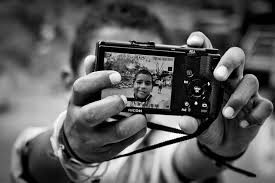
I still remember the first time I held a camera in my hand. I pressed the shutter button expecting something amazing… and instead got a blurry, slightly disappointing image. Honestly, I thought the camera was broken. Turns out, I was the problem,not the device.
That small failure pushed me into learning photography properly. And the first question I kept asking was simple:
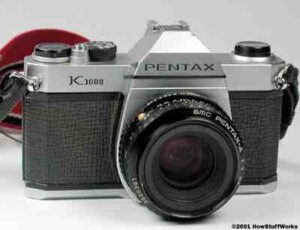
If you’ve ever felt the same way, don’t worry, you’re not alone. Most beginners think cameras are hard to use, but once you learn the basics, it all starts to make sense. A camera’s main job is to record light and turn it into an image. But there’s a very interesting process going on inside that simple idea. Years ago, cameras used film. Today, almost everything is digital. But the core idea is still the same, control light, capture a moment, and save it.
When I first started, I overcomplicated everything. But later I realized something simple: photography is not about the camera—it’s about understanding light.
Once you get that idea, everything becomes easier.
How Does a Camera Work Step by Step
Let’s slow things down and really understand what’s happening inside a camera. No heavy theory, no confusing jargon, just a clear picture of what actually goes on when you press that shutter button.This is the moment where everything starts to make sense.Because once you understand this flow, the question how does a camera work suddenly feels a lot less mysterious.
1. Light enters through the lens
Everything begins with light.Always.
When you point your camera at something, a person, a mountain, even your morning coffee, light is bouncing off that subject and rushing toward your camera.
The lens is the first stop.It collects all that scattered light and starts organizing it. I like to think of it like a traffic controller at a busy intersection. Without it, everything would be chaotic and unclear.If the lens isn’t clean or properly focused, everything that follows gets affected. That’s why even beginners notice: a good lens can instantly change your photo quality.
2. Aperture controls how much light comes in
Next comes the aperture. This is one of those settings that sounds technical but is actually very relatable.
Think of it like your eye’s pupil.
In bright sunlight, your pupil gets smaller
In darkness, it opens wider
A camera does exactly the same thing.The aperture opens or closes to let in more or less light. A wide aperture lets in more light and makes the image brighter. A narrow aperture lets in less light and makes the image darker and sharper. When I first learned this, I finally understood why some of my pictures were too bright or too dark.It wasn’t random; it was control.
3. Shutter controls timing
Now we come to the shutter, and this is where timing becomes everything.The shutter is like a door that opens and closes extremely fast.Its job is simple: control how long light is allowed inside.
Fast shutter → freezes motion
Slow shutter → captures motion blur
For example:
If you’re photographing a running dog, a fast shutter will freeze every detail mid-air. But if you slow it down, you might get a beautiful motion trail instead.
I remember once trying to photograph moving traffic at night. I used a slow shutter without knowing what I was doing—and ended up with glowing light trails. At the time, I thought it was a mistake. Later I realized it was actually a creative effect.
4.The sensor records the image.
This is the most important part. This is where light finally becomes something useful. The sensor takes in all the focused light and turns it into digital signals. You can think of it as millions of tiny light collectors working together at the same time.
Each tiny point on the sensor records:
brightness
color
intensity
This is also where camera sensor types explained becomes important, because different sensors handle light differently and affect image quality.
Honestly, this part amazed me when I first learned it.The idea that a flat surface inside the camera is actually “seeing” the world in tiny pieces feels almost unreal.
5. Image processing happens
After the sensor captures everything, the camera doesn’t just stop there. It processes the information.
This step is like the camera “thinking” for a moment.
It adjusts:
color balance
sharpness
contrast
exposure
Then it builds the final image you see on your screen.And just like that, what started as light becomes a photo.
No magic. No mystery. Just controlled physics and a bit of engineering.
Main Parts of a Camera Explained
Now that you understand the process, let’s look at the actual parts that make it happen.Because every piece has a role, and none of them work alone.
How Camera Lens Works
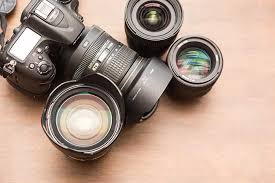
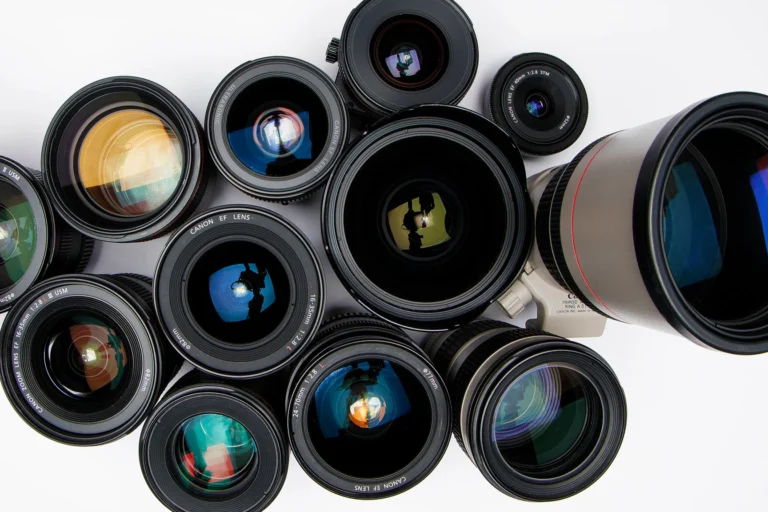
The lens is the first real “decision-maker” in photography.It gathers light, bends it, and focuses it onto the sensor. Without it, the camera would just capture random light noise.I often describe it as a translator,it takes real-world scenes and translates them into something the camera can understand.Types of lenses:
Wide-angle lens
Captures a large scene. Perfect for landscapes or group photos.Telephoto lens
Brings distant objects closer.Great for wildlife or sports.Prime lens
Fixed focal length, but usually sharper and better in low light.Once you understand how camera lens works, you start seeing photography differently. You stop guessing and start controlling.
Camera Sensor Types Explained
The sensor is basically the brain of the camera’s vision system.There are two common types:
CMOS sensors → modern, fast, energy efficient
CCD sensors → older, but still known for high quality in certain cases
Both do the same job, but in slightly different ways.One thing that surprised me early on was how advanced smartphone sensors are today. Some phones capture more detail than old professional cameras. That’s how far technology has come.
ISO, Shutter Speed, and Aperture
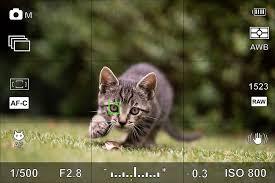
These three settings always work together. I call them the “exposure triangle.”
Aperture controls light
Shutter controls time
ISO controls sensitivity
At first, I used to randomly adjust them without understanding. The result? Either too dark photos or overly grainy ones.
But once you understand balance, everything clicks.
Photography starts feeling less like guessing, and more like control.
How a DSLR camera works
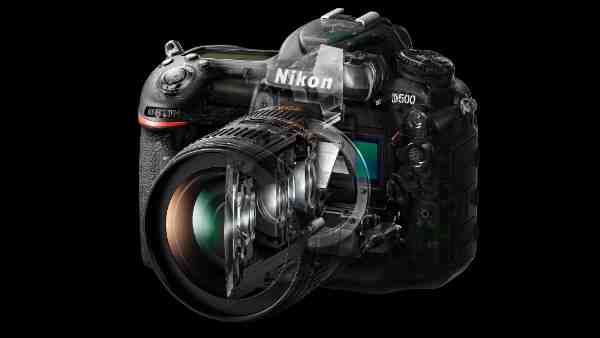
Inside a DSLR camera, there is a real mirror system.This is what happens:
Light comes in through the lens, hits a mirror, and then bounces back into the viewfinder, where you can see the scene directly.
When you press the button:
The mirror turns up.
The sensor gets light
The picture is taken
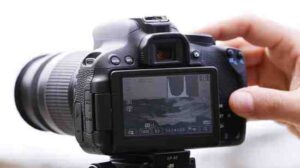
The feel of DSLRs is what I like about them. Through the lens, you can see the real world, not a screen. It seems more natural.There is a downside, though: they are heavier and harder to travel with.That’s why many people now switch to mirrorless systems, depending on their needs.
How Digital Cameras Work
Digital cameras removed film completely. Instead of chemical film, they rely on sensors.The process is simple:
Capture light
Convert it into digital data
Process it into an image
What’s impressive is speed.Everything happens almost instantly. You press a button and the result appears in milliseconds.It’s one of those things we take for granted, but it’s actually very complex behind the scenes.
From my experience, mirrorless cameras are much easier to carry for long shoots. Especially when traveling, your shoulder will thank you.
How Smartphone Cameras Work
Smartphone cameras don’t just rely on hardware, they rely heavily on software.
Instead of capturing a single image, they:
combine multiple shots
adjust lighting automatically
use AI to enhance details
That’s why phone photos often look “too good to be true.” Because in a way, they are enhanced versions of reality.
Understanding Focal Length Explained
Focal length decides how your scene looks.
18mm → wide and open
50mm → natural perspective
200mm → zoomed and compressed
I still remember messing this up during one of my first shoots. I thought I was capturing a group photo—but I ended up zooming in so much that half the group was missing.
That mistake taught me more than any tutorial.
How Cameras Capture Light (Deep Explanation)
Let’s go one level deeper.
Light reflects from objects
The lens gathers it
The sensor receives it
Each pixel records data
The processor builds the final image
What’s interesting is this: a camera doesn’t “see” the way humans do. It doesn’t understand meaning. It only calculates values.
That’s why lighting matters so much in photography.
Types of Cameras You Commonly Use
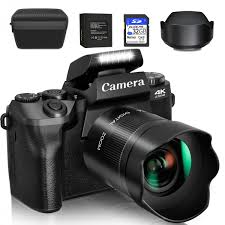
There are different types of cameras for different purposes:
DSLR → control and tradition
Mirrorless: speed and ease of transport
Small = easy
Smartphone = easy to use
There isn’t a perfect camera.Only the one that works for you.
A Real-Life Example
Let’s picture this in real life.
You snap a picture of a friend:
They reflect light.
The lens gathers it.
Aperture changes the brightness.
Shutter controls when things happen.
The sensor picks up everything.
The processor makes the final picture.
And just like that, a memory is kept forever.
When you think about it this way, photography seems less technical and more personal.
FAQ
1. How does a camera work in simple words?
Ans : A camera works by capturing light through a lens and converting it into a digital image using a sensor. The shutter controls timing, and the image is processed instantly.
2.What is the basic principle of a camera?
Ans : The basic principle is simple: light enters the lens → is controlled by aperture and shutter → then recorded by the sensor → and processed into an image.
3. How does a DSLR camera work differently?
Ans : A DSLR uses a mirror system. Light reflects through a mirror into the viewfinder, and when you press the shutter, the mirror flips up so the sensor can capture the image.
4. What does a camera sensor do?
Ans : A camera sensor converts light into electrical signals. These signals are then processed into a digital image. It is one of the most important parts of any camera.
5. How does a camera lens affect image quality?
Ans : The lens controls how light enters the camera. A good lens produces sharper, clearer images and affects focus, depth, and overall quality.
6.What is focal length in a camera?
Ans : Focal length determines how zoomed in or wide your image looks. Short focal length gives wide shots, while long focal length gives zoomed-in shots.
Final Thoughts
I used to think cameras were hard to use when I first started taking pictures. But as time went on, I learned something simple but important: everything begins with light.
Learning how a camera works completely changed how I take pictures now.
A camera is just a tool at the end of the day. How you use it is what really matters.
If you know how to use light, you’re already ahead of most beginners.



One thought on “How Does a Camera Work? 8 Smart Ways to Learn Camera Fundamentals”