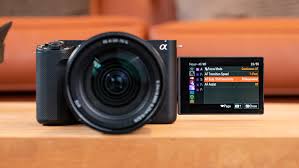
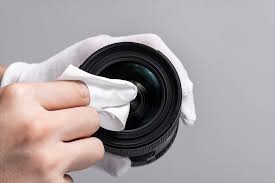
It will not require any special efforts from your side, but a lens clean up will immediately take you photography skills to another level. For example, it is quite embarrassing to blame poor lighting for low-quality pictures, but then discovering that there was a thin layer of finger marks on your camera lens. When you have ever had an amazing shot of a sunset, or just the cityscape, that later turned out to be spoiled by a smudge, you definitely understand how disappointing it is.
And now some good news. You don’t have to be afraid to clean your camera lens because it is not difficult at all to do that with the right approach.
That is why I created this 2026 guide on how to clean camera lens properly and safely. If you are wondering how to clean camera lens without scratching it, this guide will walk you through the safest steps, including lens care, sensor cleaning, and real tips I use during my own shoots.
What You Will Learn
The impact of dirty lenses, a photo ruined & why it is essential
How frequently should you clean your lens and sensor
Well, this is truly an effective tools & supplies
How to Clean Lenses & Sensors: A Step-by-Step Guide
Common errors and how to avoid them
Long-term care tips for your camera
Decision-making Tips: Do It Yourself or Hire A Pro
If You Skip Cleaning Your Camera Lens
Dirty lenses are more than just an aesthetic issue. They can ruin your photos. That is why learning how to clean camera lens safely is important for every photographer, whether you shoot casually or professionally.
Dust and fingerprints:
A small fingerprint can partially obstruct the lens and create a soft spot or flare in your photos. A greasy thumb mark has been enough to ruin a full day of shooting for me.
Dust and debris:
Outdoor shoots often introduce specks on your lens, which can appear as spots in your shots. Nobody wants to talk about beach shoots either, but sand is a notorious hider.
Wear and tear of the lens coating as a result of prolonged use:
The lens coating is very fragile. When it gets constant contact with dirt, it will peel off, making the lenses last for a shorter period of time.
Differences between sensor dust and lens dust:
The sensor dust usually manifests itself as spots on photos, while lens dust causes blur effects in photos.
A bit of muck is all it takes to make your images look muddy. I learned this during an early morning fog shoot, where just a quick wipe with a microfiber cloth made my images pop. So, before your next session, it helps to know how to clean camera lens properly without scratching or damaging your gear.
How to Clean Your Camera Lens?
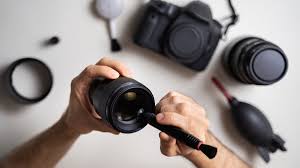
This doesn’t mean your going to need a deep clean after every session. This is what I follow during my shoots:
Daily:
Microfiber cloth wipedown most often is sufficient.
Outdoor/wet environments: Clean after every use. A dusty, sandy, humid or just a pollen-filled environment can ruin your shots.
Visual Inspection vs Deep Clean:
Giving your lenses a quick inspection before shooting can save you from any blurry shots later. If you can see dust or smudges, get it cleaned properly.
Washing when you shouldn’t be: Too much washing can scratch or abrade coatings. Unless the dirt is clearly visible, I usually never take a break from lenses.
Tip: Keep a tiny lens cloth in your camera bag. A 30-second wipe before a shoot has saved me from many shots.
MUST HAVE camera cleaning supplies
Here is my personal kit that keeps lenses clean without fear of risk.
Assorted Lens Cleaner – safely cleans dirt From glass without making contact
Soft brush — for persistent particles
Reusable, soft, lint-free microfiber cloth
Lens cleaning solution – made for optics never use household cleaners
Sensor cleaning swabs + solution — to clear the sensor of dust
What not to use: tissues, paper towels, coarse fabrics, they will scratch the lens immediately. I experienced this first-hand at a very busy concert—don’t be me!
Bonus tip: Store all your tools in a small pouch so it won’t spill everywhere on the go.
Step-by-Step Guide: How to Clean Camera Lens
Sadly, it’s not a true delete from the cloud. Reality bit us and we ended up having to repurchase their lenses when we upgraded our cameras or replaced them. So our excitement was porked but new hope arrived as we sought to have deep visions of all sorts of landscapes using optical see-through display! Well that shines through with these imaging calculations right? So expect a few unflattering photos around town while incorporating some exciting moments so good luck and happy photography last industry day ever happened too before going straight to tour 2017 Skyscanner hotels! Check out this handy step by step guide on cleaning your lens below.
So here is the safe systematic process that I use to clean my lenses:
Start with a Blower
Get rid of dust using a blower without touching the glass. It is the most conservative move, and it fixes most of the issues. This always comes first before anything; prevents dust from being rubbed in while wiping.
Use a Soft Brush if Needed
Gently brush away remaining particles. Tilt the lens ideally so that debris falls away from glass.
Microfiber + Cleaning Solution
Put a small amount of solution on a microfiber cloth, never put it directly into the lens. Clean in gentle circular motions.
Circular Motion Best Practice
Work from the middle, outwards. This helps to minimize streaks and prevent pushing dust into the edges.
Final Wipe & Inspection
Use a bright light to check your lens. Repeat if needed but try not to over clean.
Pro tip: Because of how curved or coated a lens may be, this requires some slight extra care using little amounts of solution with gentle pressure. If using in conjunction with wide angle lenses, consider a second microfiber to help reduce streaks.
THE CAMERA ON, vs. OFF LENS CLEANING

Screen attachment: Safe for fast cleaning. Do not touch the sensor or mount.
Unscrewed lens: Best position for deep cleaning. Beware of anything getting into the camera body, dust.
Do not expose the sensor to dust: Always take care of holding with the camera upright so nothing happens and enter something inside.
Tip to compare:
I clean lenses attached for daily use, remove them only once a month and inspect them closely.
Example in real-life:
I had a lens attached one time during a hike and I cleaned the lens but not removing it because dirt may grind into the body. I avoided blurry mountain shots with a simple blower + microfiber wipe.
Bonus 1: How to Clean Camera Sensor
The sensor is more challenging to clean than the lens. Here is what I do to mitigate this safely.
What makes this different: sensors sensitive, costly and fragile.
Tools & warnings: Use sensor swabs and solutions for your type of sensor.
Do it yourself vs professional: I clean lightly myself, while the tedious and stubborn spots go to the pros.
Step 1: Blower then swabs
(if required but as per the manufacturer instructions).
Dust vs marks:
Dust is usually the source of spots in the movies done with software. Cleaning up ensures that you wont have editing headaches later.
Tip: Always check your sensor with a magnifier or sensor loupe to find out the exact location of dust spots.
Mistakes You Should Avoid
Below is a list of mistakes that I have made while learning how to clean camera lens:
SCRAPING THE LENS HARD:
This can easily scratch the surface of your lens.
USING HOUSEHOLD CLEANERS:
The use of regular window cleaners and other strong chemicals will cause damage to the surface of your lenses.
PUTTING TOO MUCH OF THE CLEANER:
This might cause streaks and sometimes the liquid might get into the edge of your lenses.
CLEANING IN DUSTY OR WINDY ENVIRONMENT:
It might result in the lenses getting even more dirty.
LEAVING THE LENS CAP OPEN:
Keep the lens cap closed whenever you don’t need to be taking pictures.For instance, I once spilled cleaning solution inside a lens bag. The lesson? Store your cleaning kit away from your camera gear. When you understand how to clean camera lens the right way, you can avoid small mistakes that may cost you later.
Camera Cleaning Myths vs Facts
Myth: Breath cleans the optics – it cause moisture and streaking
Myth: All cloths are equal – cotton can scratch coatings
Myth: Lens coatings are fragile — not worth the right tools.
Cleaning Fact: Sensors will only rarely need a good clean down, and can normally be left alone unless spots occur.
Quick Troubleshooting
| Issue / Topic | Solution / Advice |
| Persistent smudges? | Check your cloth is clean |
| Spots that resist cleaning? | Use lens-safe solution |
| Lug seam marks? | Use little pressure and clean in circular motions |
| Foggy lens outdoors? | Allow lens to acclimate to the environment, then wipe |
| Decision-Making: DIY vs Professional | See guidance below |
| Minimal smudging/dust | At-home cleaning is OK |
| Sensor cleaning or stubborn spots | Use professional service |
| Special lenses (macro, ultra-wide, fisheye) | Extra care required; if unsure, use professional service |
Pro tip: I never do-it-yourself on anything that’s a valuable lens, such as tilt-shift or cinema glass. For the few pennies it costs to avoid damage, a professional cleaning fee is most reasonable 🙂
FAQ Section
Q: Can I use tissue in place of microfiber cloth?
A: Tissue paper can scratch the coatings. Always use soft microfiber cloths.
Q: How do I clean its lens often?
A: Most days a quick look before it gets shot is all what you need. Monthly deep clean or after dusty sessions.
Q: Is sensor cleaning necessary?
A: Only when you see dust spots in the images. Over-cleaning can damage the sensor.
Q: Can I spray the cleaning solution directly onto the lens?
A: Never! Always put the solution on a cloth first so that liquid doesn’t get in.
Q: Could I use a can of air for the sensor
A: Canned air to my first sensor — what now? A: Steer clear of canned air — it’s packed with propellants that can harm the sensor. Use a manual blower instead.
Conclusion
Cleaning your camera lens sounds like a hassle, but it is the easiest way to improve your photography instantly. A clean lens is the way to sharper clearer and more vibrant photographs. One fingerprint can ruin a perfectly taken photograph and that is exactly why cleaning the lens every time becomes essential so that one does not spend a lot of time in refocusing or be utterly frustrated with not being able to click the perfect picture.
Using appropriate tools and a gentle technique, lens maintenance becomes instinctive in no time. Do this a couple of times, and it will become second nature, even in dusty or humid conditions.
Pass this guide on to your other photog buddies, share the love and keep those lenses squeaky clean for 2026! A lens designed to last helps keep all of your gear protected and makes each frame shot count!