

According to the latest tests carried out, here are our top picks to ensure you crush your fitness goals.
The wearable technology industry has undergone massive changes compared to when the first fitness bands appeared about a decade ago. Back then, your only real option was a simple wristband that tracked steps and maybe your sleep if you were lucky.
Fast forward to 2026, and things look very different.
Today’s devices don’t just count steps. They analyse your recovery, measure stress, monitor sleep quality, and even estimate how ready your body is for your next workout. Sensors have become more advanced, and they’re now built into everything from smartwatches and sports watches to smart rings and screenless straps, making modern wearable devices far more capable than before.
So the real question isn’t “Can it track my activity?” anymore.
It’s:
“How well does it understand my body and overall health metrics?”
This guide will help you find the right option based on your needs, budget, and lifestyle. Basic tracking is now cheap; you can grab a decent band for around $50. But once you start looking for deeper insights, better accuracy, or smarter features like advanced activity tracking and workout analysis, things get more complex.
That’s where experience matters.
We’ve tested and lived with these devices over time, not just for a day or two, but in real-world use. That means workouts, sleep, daily wear, and everything in between, including step counting accuracy and heart rate tracking performance.
Keep reading to discover the best options available right now and how to avoid wasting money on the wrong one.
In Summary: Best Fitness Trackers
- Most durable for long-term tracking: Hume Band
- Best for athletes: WHOOP 5.0
- Best hybrid option: Withings ScanWatch Light
- Best for blood pressure: Oxiline Pressure XS Pro
- Best pulse oximeter: Oxiline Pulse XS Pro
How to Buy the Best Fitness Tracker
Before you pick one, you need to understand what actually matters. Otherwise, it’s easy to get distracted by features you’ll never use.
Here are the key things I always focus on:
How Reliable Are Fitness Trackers?
Accuracy has improved a lot over the years, but it still varies. Step tracking is usually solid across the board. Heart rate and sleep tracking? That depends on the device and its sensor quality.
Higher-end models tend to perform better, especially during workouts and GPS-based fitness tracking.
Do You Need a Subscription?
Some devices, like WHOOP, require ongoing payments. Others give you everything up front.
Ask yourself:
Will I actually use advanced insights like recovery scores and training load analysis every day?
If not, skip the subscription.
Band vs Watch vs Ring
- Bands → simple and lightweight, ideal for basic activity tracking
- Watches → more features, larger displays, and smart notifications
- Rings → discreet but limited in terms of fitness tracking features
There’s no “best” option, just what fits your lifestyle.
Smartwatch vs Tracker
This is a big one.
Smartwatches focus on apps, notifications, and convenience.
Trackers focus on health data, fitness metrics, and battery life.
If you want fewer distractions, a tracker is usually the better choice.
A Word From an Expert
Conor Allison, Editor at Wareable:
“The app matters more than the hardware. A cheap tracker is useless if its app is confusing.”
That’s something I completely agree with.
A good device doesn’t just collect data—it explains it. If you don’t understand what you’re seeing, you’ll stop using it, even if the fitness tracking technology is excellent.
He also makes a great point:
“The best tracker is one you forget you’re wearing.”
Comfort matters more than most people think, especially for 24/7 health monitoring.
What to Expect in 2026
This year may not be packed with major hardware updates, but the focus is shifting.
Brands are working on:
- Better insights, not just more data
- Smarter use of AI in wearable tech
- New ways to wear devices
Instead of overwhelming users, the goal now is simple:
Make the data actually useful and actionable for your daily routine.
Best Screenless Fitness Trackers
If you want something minimal, this category is worth considering.
Hume Band
The Hume Band doesn’t have a screen but that’s the point.
It quietly tracks everything in the background:
- Heart rate variability (HRV)
- Blood oxygen
- Skin temperature
- Sleep stages
- Recovery
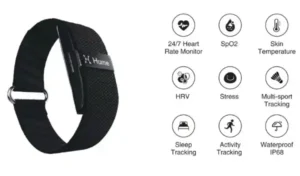
The real value comes from how the app presents the data. You’re not just seeing numbers, you’re seeing patterns in your daily health metrics.
It focuses heavily on recovery. In simple terms, it helps you understand how your body reacts to stress and how well it bounces back after workouts or daily strain.
That’s useful whether you’re training hard or just trying to stay healthy.
WHOOP 5.0
WHOOP takes things further.
It’s not just tracking, it’s coaching.
It looks at:
- Daily strain
- Sleep quality
- Recovery levels
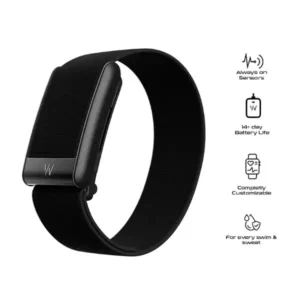
Then it tells you what to do next based on your performance data.
Train harder? Rest? Adjust your routine?
That’s where it stands out.
You can wear it on your wrist, arm, or even in clothing. It’s flexible and surprisingly accurate for continuous fitness monitoring.
Best Hybrid Smartwatch Fitness Tracker
Withings ScanWatch Light
This one looks like a normal watch, and that’s exactly why people like it.
It doesn’t try to do everything. Instead, it focuses on:
- Heart rate
- Sleep tracking
- Activity levels
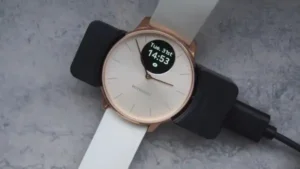
No apps, no distractions, no overload—just clean health tracking data.
And the battery? Up to 35 days.
Best Blood Pressure Monitor
Oxiline Pressure XS Pro
This isn’t a typical wearable.
It’s built for one job:
Accurate blood pressure tracking.
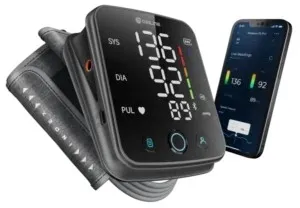
It uses advanced sensors to deliver readings close to medical-grade devices, making it useful for health monitoring alongside fitness devices.
Best Pulse Oximeter
Oxiline Pulse XS Pro
Simple. Fast. Accurate.
It clips onto your finger and measures:
Blood oxygen (SpO2)
Heart rate
Because it’s not worn on the wrist, readings are more consistent compared to wrist-based sensors.
Best Basic Fitness Bands
Xiaomi Smart Band 10
This is all about value.
For a low price, you get:
Bright AMOLED display
Step tracking
Heart rate monitoring
Sleep tracking
Long battery life (up to 14 days)
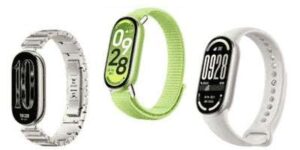
It covers all essential fitness tracking features most people actually use.
Fitbit Charge 6
This is the most advanced band available right now.
It includes:
- ECG
- Stress tracking
- GPS
- Smart features
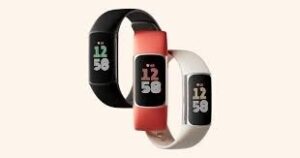
It’s a strong option for users who want both health tracking and smart features in one device.
Best Fitness Trackers in Smartwatch Designs
Huawei Watch Fit 4
This is one of the best-balanced options right now.
You get:
- Large AMOLED display
- Accurate GPS
- Strong battery life (7–10 days)
- Reliable tracking
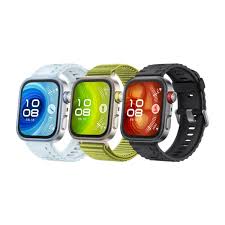
It performs well across key areas like workout tracking and heart rate monitoring.
Amazfit Active 2
This one offers a lot for the price.
Highlights include:
- Offline maps
- External sensor support
- AI coaching
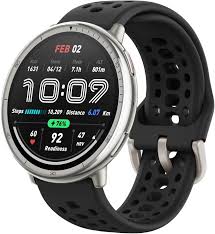
A good option for users who want affordable fitness tracking with extra features.
Amazfit Bip 6
A budget option that doesn’t feel cheap.
You get:
- Large display
- Solid tracking
- Long battery life
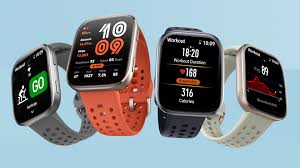
It handles daily tracking well and supports basic health and activity monitoring.
Final Thoughts
Choosing the right device comes down to one thing:
How do you plan to use it?
- If you want deep insights and coaching, go with WHOOP.
- If you prefer simplicity, Hume Band or Withings works well.
- If you want the best value, Xiaomi and Huawei are hard to beat.
There’s no single “best” option for everyone.
The best choice is the one you’ll actually wear every day because consistent use is what makes any fitness tracker or wearable device truly effective.



One thought on “Best Fitness Tracker in 2026: Reviewed, Tested, and Compared”