INTRODUCTION
I remember how confusing my first setup felt. Too many options, too many opinions, and honestly, too much noise everywhere I looked. Every video, every review, and every friend seemed to say something different, and it only made the decision harder instead of easier.I thought I needed expensive gear to play better. I really believed that if I spent more money, everything would suddenly improve. But that wasn’t true at all. My aim didn’t get better just because something cost more, and my setup still didn’t feel right.That’s when I started learning how to choose gaming gear in a much simpler way based on real gameplay experience instead of hype, branding, or random suggestions. I stopped focusing on what looked good on paper and started paying attention to what actually worked while playing.So I built a simple approach for myself. One that focuses on how things actually feel during real gameplay, especially comfort, control, and consistency. Once I started thinking this way, everything became clearer, and I finally understood what really matters in a setup.
What You’ll Learn in This Guide
Before you start picking anything, it’s important to know what actually matters and what doesn’t. I’ve made most of the mistakes myself, so this guide is built to save you time, money, and a lot of confusion especially if you’re just learning how to choose gaming gear for beginners.
In this guide, I’ll show you what equipment you actually need for a solid gaming setup and what you can safely ignore without affecting your performance. A lot of beginners end up buying unnecessary items just because they look popular, and I’ve been there too. That’s why understanding how to choose the right gaming gear setup makes such a big difference from the start.
You’ll also learn how I personally evaluate gear based on three simple things: comfort, control, and consistency. These three factors decide how your setup feels in real gameplay, not just how it looks on a product page.
I’ll walk you through how I pick each essential item step by step mouse, keyboard, headset, and mouse pad so you can clearly understand how to choose gaming mouse and keyboard that actually fits your playstyle instead of guessing.
I’ll also share common mistakes I made early on, like focusing too much on design, ignoring comfort, or changing gear too often. These small mistakes can slow down your progress more than you think.
On top of that, I’ll break down budget vs premium choices in a simple way, so you understand where spending more money helps and where it really doesn’t make a difference.
Finally, I’ll share some simple setup tips that genuinely improve real performance without making things complicated. Nothing fancy just practical things that help you play better and feel more consistent over time.
Why the Right Setup Matters
I used to believe that skill was the only thing that mattered in gaming. I thought if I practiced enough, I could adapt to anything, no matter what gear I was using. Then I spent a week playing with a bad mouse, and that idea completely changed for me.
At first, I ignored it. I told myself it was just “getting used to it.” But the more I played, the more I noticed small problems. My aim didn’t feel stable, my movements felt slightly delayed, and even simple actions started to feel inconsistent. It wasn’t my skill dropping it was my setup holding me back.
That experience taught me something important. Good gear doesn’t turn you into a pro overnight, but it removes unnecessary problems that get in your way. And when those problems are gone, your real skill actually has a chance to show.
Now I don’t choose anything randomly anymore. I focus on three simple things that make the biggest difference in my gameplay:
- Control
- Comfort
- Consistency
If my setup supports these three areas, everything feels stable and smooth. My movements feel predictable, my aim feels steady, and I can focus fully on the game instead of adjusting to my equipment.
But if even one of these is missing, I notice it immediately. Even basic actions start to feel slightly off, and over time it affects how I play.
That’s why I’ve stopped guessing or buying based on looks or hype. I now choose everything based on how it performs in real gameplay, because in the end, the right setup doesn’t just make gaming easier it makes it more consistent and enjoyable.
What You Actually Need (Keep It Simple)
When I first started building my setup, I wanted everything. RGB lights everywhere, flashy accessories, fancy-looking gear the whole package. I thought a “real” gaming setup needed to look impressive before it even needed to perform well.
But the truth hit me pretty quickly. Most of those things didn’t improve how I played at all. They just made my desk look cool for a short time, then slowly turned into distractions I stopped caring about.
So I stepped back and simplified everything. Instead of chasing extra features or random upgrades, I focused only on what actually affects gameplay. That one decision made everything feel lighter, clearer, and way more practical in real use.
Essential Items I Always Focus On
After a lot of trial and error, I realized I don’t need a long list of gear to perform well. I only need a few core items that actually impact how I play:
- Mouse
- Keyboard
- Headset
- Mouse pad
That’s it. Nothing extra, nothing complicated.
Everything else falls into the “optional” category. Once I accepted this, I stopped overthinking every purchase and started making faster, smarter decisions.
Optional Add-ons (Only If Needed)
There are still a few extra things that can improve comfort or overall setup experience, but they are not required for performance:
- Chair (for long sessions)
- Desk lighting (for setup feel and visibility)
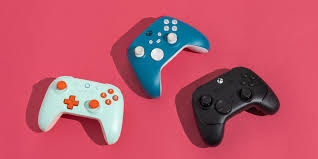
- Controller (depending on the games you play)
These items can make your setup more comfortable or visually clean, but they don’t directly improve how you perform in games.
A Simple Lesson I Learned
If your budget is limited, always start with the essentials first. I made the mistake of spending money on extras before fixing the basics, and honestly, it didn’t help my gameplay at all.
Once I focused only on what I actually needed, everything started to feel more stable. My setup became simpler, my decisions became easier, and my gameplay felt more consistent without any unnecessary stress.
How I Think Before Buying Anything
Before I buy anything, I always slow down and ask myself one simple question:
“Will this actually improve how I play?”
If the answer is unclear, I don’t buy it. I’ve learned that hesitation is usually a sign I don’t really need it yet. Earlier, I used to ignore that feeling and I ended up with gear I barely used especially while learning how to choose gaming gear for beginners.
Over time, I realized buying gaming gear is not just about upgrading. It’s about removing problems, not adding more things to your setup. That mindset completely changed how I think about how to choose the right gaming gear setup.
So now I keep my decision process very simple and strict.
I also follow a basic checklist before spending any money:
Does it feel comfortable during long sessions?
Can I control it easily without thinking too much?
Will it last long enough for regular use?
Is the price actually worth what I’m getting?
If even one of these answers feels weak, I pause the purchase. No rush, no impulse buying.
This habit also helps a lot when I’m deciding how to choose gaming mouse and keyboard, because small differences in feel matter more than flashy features.
I also think carefully about how to choose budget gaming gear, because spending less only works when the essentials still support comfort, control, and consistency.
If I’m focusing on FPS games, I get even more strict with my choices and think deeply about how to choose gaming gear for FPS games, since reaction speed and accuracy depend heavily on input feel.
Even when picking audio or peripherals, I don’t overthink it I just focus on how to choose gaming headset and mouse that feels natural during long sessions.
This habit keeps me grounded. It stops me from getting distracted by hype, flashy designs, or unnecessary features that don’t improve real gameplay. Over time, it has also saved me a lot of money and honestly, a lot of regret too.
Now I don’t buy based on emotion or trends. I buy based on clarity. And that small shift made my setup choices much smarter and more consistent.
Comfort Comes First (Always)
I ignored comfort at the beginning. Big mistake.
After a few long sessions, my wrist started hurting. My aim dropped. My focus went down.
That’s when I realized something simple:
If it doesn’t feel good, it won’t perform well. That’s the core idea behind how to choose gaming gear.
When you start understanding how to choose gaming gear, you realize it’s not about specs or brand names it’s about how your body reacts during long sessions. Comfort directly affects reaction time, aim stability, and overall focus.
What I Look For:
Mouse shape that fits my hand because learning how to choose gaming gear properly starts with how natural the grip feels.
Keyboard height and key feel small discomfort here builds up over time and breaks consistency.
Headset weight and ear padding even slight pressure becomes distracting after long gaming sessions.
Comfort is not a luxury. It’s basic. And once you truly understand how to choose gaming gear, you stop ignoring it and start prioritizing it from the very beginning.
Control and Precision Matter More Than Features
I used to compare specs. DPI, polling rate, switch types.
It sounded impressive. But in real matches, I only cared about one thing:
Can I control it?
For Mouse
- Smooth tracking
- Stable movement
- No random jumps
For Keyboard
- Responsive keys
- No delay
Fancy features don’t matter if control is inconsistent.
Build Quality and Durability
Cheap gear can work. But not all cheap gear lasts.
I learned to check:
- Material quality
- Cable strength (if wired)
- Button durability
If something breaks in a few months, it’s not really cheap.
Budget vs Value
I don’t chase the lowest price anymore.
I focus on value.
Sometimes a slightly higher price gives:
- Better comfort
- Better durability
- Better experience
That’s worth it.
But I also avoid overpaying for branding. That happens more than people admit.
How I Choose Each Item
Now I’ll walk you through how I personally choose each part of my setup.
Choosing My Mouse
This is the most important piece for me.
If my mouse feels off, everything feels off.
What I Check First
- My grip style (palm, claw, fingertip)
- Weight (lighter feels faster for me)
- Shape (this matters more than specs)
Wired vs Wireless
I used both.
Wireless feels cleaner. But a good wired option still works perfectly.
I choose based on budget and preference.
Choosing My Keyboard
I kept this simple.
My Focus
- Key feel
- Size
- Noise level
Mechanical vs Membrane
I prefer mechanical. It feels more responsive.
But membrane is fine for beginners.
Size Choice
- Full size: more keys
- TKL: balanced
- 60%: compact
I use TKL. It gives me space for mouse movement.
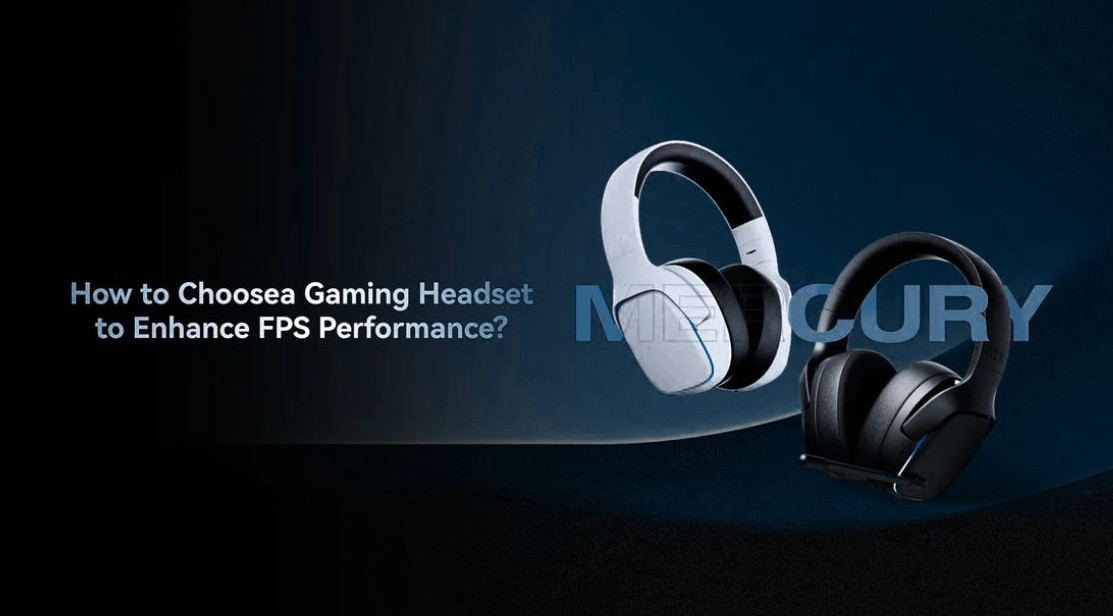
Choosing My Headset
I made mistakes here before. I chose based on looks.
Never again.
What I Look For Now
- Clear sound
- Comfortable ear cups
- Decent microphone
If I play long sessions, comfort matters more than anything else.
Choosing My Mouse Pad
This is underrated.
A bad surface can ruin a good mouse.
My Focus
- Surface type (control vs speed)
- Size (I prefer large)
I usually go for balanced control. It gives me stability.
Common Mistakes I Made (Avoid These)
I made almost every mistake at the beginning.
You don’t need to.
1. Buying Based on Looks
RGB looks cool. But it doesn’t improve aim.
I learned that quickly.
2. Spending Too Much Too Early
I thought expensive meant better.
It doesn’t always.
3. Ignoring Comfort
This affected my performance the most.
4. Changing Gear Too Often
Consistency matters more than constant upgrades.
Budget vs Premium: My Honest Take
I’ve used both budget and premium setups.
Here’s what I learned.
Budget Gear
- Works well for beginners
- Good enough for most players
Premium Gear
- Better build quality
- Slight improvements in feel
But the difference is not magic.
If your basics are not right, expensive gear won’t fix it.
My Simple Setup Tips
I keep my setup clean and simple.
Here’s what works for me:
- Keep desk space clear
- Position mouse and keyboard comfortably
- Maintain consistent settings
Small adjustments make a big difference.
Improving Performance With Gear
Gear supports your gameplay. It doesn’t replace practice.
Still, a good setup helps with:
- Consistent aim
- Faster reaction
- Less fatigue
I also stopped switching devices often. That helped more than I expected.
A Quick Reality Check
I used to think the perfect setup existed.
It doesn’t.
What works for me might not work for you.
And that’s fine.
The goal is not perfection. It’s comfort and control that fits your style. That’s the whole foundation of how to choose gaming gear in a realistic way, not the “perfect setup” idea most beginners start with.
When I first started learning how to choose first gaming setup guide, I kept chasing what others called “best.” But over time I realized there is no universal best setup only what works for your hands, your habits, and your playstyle.
That’s especially true when thinking about how to choose gaming gear for PC gaming. A competitive FPS player, a casual gamer, and a streamer will all need different things. Same budget, same market but completely different priorities.
Once I accepted that, everything became simpler.
Instead of overthinking, I started focusing on value and purpose, especially when learning how to choose affordable gaming accessories. If something doesn’t improve comfort, control, or consistency, it doesn’t matter how cheap or expensive it is it still won’t help your gameplay.
This mindset also changed how I think about performance. Good gear doesn’t make you instantly better, but it removes friction. That’s the core idea behind how to choose gaming gear for better performance less distraction, smoother control, and more stable gameplay over time.
So now I don’t chase perfection anymore.
I just build setups that feel natural, responsive, and comfortable for long sessions. And honestly, once you reach that point, you stop worrying about “perfect gear” and start focusing on actually improving your game.
Conclusion
I don’t overcomplicate things anymore. I’ve learned that trying to make everything perfect from the start only leads to confusion, wasted money, and constant changes that don’t really improve gameplay.
Now I keep everything simple and focused. Instead of chasing the “best” gear or overthinking every small detail, I stick to what actually matters when I’m playing especially when learning how to choose first gaming setup guide.
I always come back to three things:
Comfort
Control
Consistency
That’s it. Nothing extra, nothing complicated.
If a setup supports these three areas, it already does its job well. If it doesn’t, no amount of expensive upgrades will fix the feeling. I’ve tested that the hard way more than once especially while figuring out how to choose gaming gear for PC gaming.
My first setup definitely wasn’t perfect. I made mistakes, I bought the wrong things, and I changed gear more often than I needed to. If I’m being honest, most beginners go through the same phase when trying to learn how to choose affordable gaming accessories.
And yours won’t be perfect either and that’s completely fine.
The goal isn’t perfection. The goal is progress. A setup that feels comfortable, responds well, and stays consistent over time is more than enough to improve your experience and understand how to choose gaming gear for better performance.
If you follow a simple process, focus on what actually matters, and avoid the common beginner mistakes, you’ll slowly build something that fits your style without stress.
And honestly, once everything feels natural when you play… that’s all you really need.