

Buying a camera lens for the first time can feel overwhelming.
You open an online store or read a few blogs, and suddenly you see many options—50mm, 18–55mm, 70–200mm, prime lenses, zoom lenses, macro lenses. It feels like you need technical knowledge just to understand what you are looking at.
This confusion is very common. Almost every beginner goes through this stage.
But here’s something important to understand, choosing the right lens is not about knowing everything. It’s about knowing the right things.
Once you understand a few simple concepts, everything becomes much easier.
In this guide, you will learn how to choose a camera lens in a practical and beginner-friendly way. You won’t just see definitions. You will understand why things matter, when to choose what, and how to avoid common mistakes.
By the end of this article, you will not only feel confident, you will be ready to make a smart buying decision.
What Is a Camera Lens and Why It Matters More Than You Think
When people start photography, they often focus on the camera body. They compare megapixels, brands, and features.
But experienced photographers know something different, the lens matters more than the camera itself.
A camera lens is responsible for capturing light and shaping the final image. It decides how sharp your photo will be, how much of the scene you can capture, and how your subject looks in relation to the background.
To understand this better, imagine two people using the same camera. One uses a cheap lens, and the other uses a high-quality lens. The results will be very different, even though the camera is the same.
That’s because the lens controls key visual elements like clarity, depth, and perspective.
For example, if you want a beautiful blurred background in a portrait photo, the lens plays a major role. If you want to capture a wide landscape, the lens determines how much of the scene fits into your frame.
This is why many photographers invest in lenses over time rather than upgrading their camera body frequently.
Understanding this concept is the first step in learning how to choose a camera lens correctly.
Understanding Different Types of Camera Lenses in Real Life
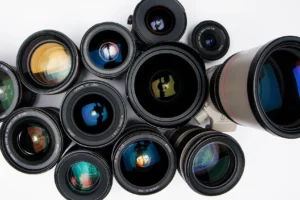
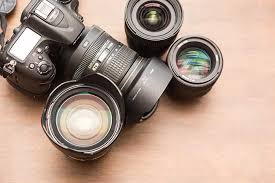
Before you choose a lens, you need to understand the main types available.
But instead of memorizing definitions, it is better to think about how each lens works in real situations.
Different lenses are designed for different purposes. Choosing the wrong type can limit your creativity, while choosing the right one can completely change your results.
Wide-Angle Lens: Capturing More of the Scene
A wide-angle lens is designed to capture a large area in a single frame.
This type of lens is perfect when you want to include more elements in your photo without stepping back. For example, when you are standing in front of a mountain range or inside a large building, a wide-angle lens helps you capture the full scene.
What makes this lens special is its ability to create a sense of space. It makes objects appear farther apart, which adds depth to your image. This is why landscape photographers often prefer wide-angle lenses.
However, it’s important to use this lens carefully. If you get too close to your subject, it can distort the image and make objects look unnatural.
In simple terms, a wide-angle lens is ideal when your goal is to show the environment rather than focus on a single subject.
Standard Lens: The Natural and Balanced Choice
A standard lens is often considered the most natural lens because it closely matches the way human eyes see the world.
This makes it one of the best options for beginners. The images look realistic, without distortion or extreme effects.
For example, if you are walking in a city and taking photos of daily life, a standard lens will give you a balanced and natural result. It does not exaggerate distance like a wide-angle lens or compress space like a telephoto lens.
This type of lens is perfect for:
- Street photography
- Everyday moments
- Casual portraits
Because of its simplicity, many photographers use a standard lens as their main lens. It helps them focus more on composition and storytelling rather than technical adjustments.
Telephoto Lens: Bringing Distant Subjects Closer
A telephoto lens allows you to capture subjects that are far away.
Instead of moving closer, you can zoom in and get a clear image. This is especially useful in situations where you cannot physically approach your subject.
For example, if you are photographing wildlife, getting close to animals is not always possible or safe. A telephoto lens solves this problem by bringing the subject closer without disturbing it.
Another advantage of this lens is background compression. It makes the background appear closer to the subject, which creates a pleasing visual effect.
However, telephoto lenses are usually larger and heavier. They may also require steady hands or a tripod to avoid blurry images.
This lens is ideal when your subject is far away and you want to focus on details.
Macro Lens: Capturing Tiny Details
A macro lens is designed for extreme close-up photography.
It allows you to capture details that are not visible to the naked eye. For example, the texture of a flower petal or the wings of an insect can look stunning through a macro lens.
This type of lens is often used in nature photography and product photography.
What makes macro lenses unique is their ability to focus at a very close distance while maintaining sharpness.
However, using a macro lens requires patience. Even small movements can affect the focus, so stability is important.
If you enjoy exploring small details and textures, a macro lens can open a completely new world for you.
What Is Focal Length and Why It Changes Everything
Focal length is one of the most important concepts in photography, yet many beginners find it confusing.
In simple terms, focal length determines how wide or zoomed your image will be. It is measured in millimeters (mm), and each number represents a different field of view.
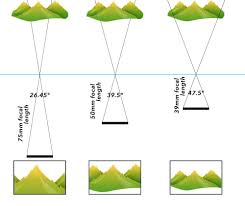
For example, a 16mm lens captures a very wide scene. This is useful for landscapes and interiors. On the other hand, a 200mm lens zooms in on distant subjects, making it ideal for wildlife or sports photography.
A 50mm lens sits in the middle and provides a natural perspective. This is why it is often called a standard lens.
Understanding focal length helps you choose the right lens for your needs. If you want to capture wide scenes, you need a lower number. If you want to focus on distant subjects, you need a higher number.
Another important point is how focal length affects perspective. Wide lenses make objects appear farther apart, while telephoto lenses make them appear closer together.
This small detail can completely change the look and feel of your photo.
Once you understand focal length, you will have a strong foundation for choosing the right lens.
Prime vs Zoom Lens: Making the Right Choice
One of the most common questions beginners ask is whether to choose a prime lens or a zoom lens.
Both have their advantages, and the right choice depends on your needs.
Prime Lens: Simplicity and Quality
A prime lens has a fixed focal length. This means you cannot zoom in or out.
At first, this may seem like a limitation. But it actually helps you become a better photographer.
Because you cannot zoom, you have to move and adjust your position. This improves your understanding of composition.
Prime lenses are also known for their sharp image quality. They often perform better in low light and create beautiful background blur.
For example, a 50mm prime lens is popular for portraits because it produces clear images with a soft background.
Zoom Lens: Flexibility and Convenience
A zoom lens allows you to change focal length without moving.
This makes it very convenient, especially for beginners.
For example, a 24–70mm lens can handle multiple situations. You can use it for landscapes, portraits, and travel without changing lenses.
This flexibility makes zoom lenses a practical choice for everyday use.
However, they may not be as sharp as prime lenses, and they are usually more expensive.
Best Lens for Different Photography Needs
Choosing the right lens becomes easier when you understand your purpose.
If you love portraits, a 50mm or 85mm lens is a great choice. These lenses create a natural look and provide a pleasing background blur.
For landscapes, a wide-angle lens is ideal because it captures more of the scene.
If you travel often, a 24–70mm zoom lens is one of the best options. It gives you flexibility without carrying multiple lenses.
For wildlife photography, a telephoto lens is necessary because it allows you to capture distant subjects.
There is no single “best lens” for everything. The best lens is the one that fits your style and needs.
Important Things to Check Before Buying a Lens
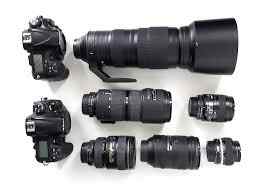
Before buying a lens, you should consider a few important factors.
First, think about your budget. It is better to start with an affordable lens and upgrade later.
Second, check compatibility. Not all lenses work with all cameras, so make sure the lens fits your camera mount.
Third, consider the weight. Heavy lenses can be difficult to carry, especially during travel.
Fourth, look at the aperture. A lower aperture value allows more light and creates a better background blur.
Finally, check for image stabilization. This feature helps reduce blur caused by hand movement.
Taking these factors into account will help you make a smart decision.
7 Easy Steps to Choose the Perfect Camera Lens
Choosing a camera lens becomes simple when you follow a clear process.
Start by setting your budget. This helps you narrow down your options.
Next, decide what you want to shoot. Your purpose will guide your choice.
Then, choose the right focal length based on your needs.
After that, decide between a prime or zoom lens.
Check compatibility to ensure the lens works with your camera.
Think about portability if you plan to travel.
Finally, read reviews to learn from other users’ experiences.
By following these steps, you can avoid confusion and make a confident choice.
Common Mistakes Beginners Should Avoid
If you’re figuring out how to choose a camera lens, it’s completely normal to feel a bit overwhelmed at first. A lot of beginners end up making simple mistakes, but the good news is, they’re easy to avoid.
One of the most common mistakes is rushing to buy expensive gear right away. It might seem tempting, but starting with something simple is usually the smarter move. It gives you time to understand the basics without wasting money.
Another thing people often overlook is compatibility. Not every lens fits every camera, so it’s important to double-check before making a purchase.
Focal length is another area that confuses many beginners. If you don’t understand it, you might end up with a lens that doesn’t match your needs. Taking a little time to learn this concept can make a big difference when deciding how to choose a camera lens.
And finally, try not to buy too many lenses at once. It’s better to get comfortable with one lens first and really learn how to use it before expanding your collection.
Avoiding these mistakes will save you both time and money, and make the whole process of choosing a camera lens much easier and more enjoyable.
Conclusion: Choose Smart, Shoot Better
Choosing the right camera lens is not about buying the most expensive option. It is about understanding your needs and making a smart choice.
Once you learn the basics, types of lenses, focal length, and your purpose, the process becomes simple.
Start with one good lens. Practice regularly. Learn from your experience.
Over time, you will develop your own style and know exactly what you need.
Remember, photography is not about the gear,, it is about how you use it.
Choose smart, and your photos will improve naturally.
FAQ:
How to choose a camera lens for beginners?
Choosing a camera lens becomes easy when you follow a few simple steps. First, decide what type of photography you want to do, such as travel, portrait, or wildlife. Then choose the right focal length based on your needs. Beginners usually find zoom lenses more flexible because they cover multiple situations. Also, make sure the lens is compatible with your camera and fits within your budget. Starting simple is always the best approach.
What does focal length mean in simple words?
Focal length refers to how wide or zoomed your photo will look. It is measured in millimeters (mm). A smaller number like 16mm shows a wide view, while a larger number like 200mm zooms in on distant objects. Understanding focal length helps you choose the right lens for different types of photography.
Which lens is best for travel photography?
For travel photography, a 24–70mm zoom lens is one of the best options. It offers flexibility, allowing you to capture landscapes, people, and close-up shots without changing lenses. It is also convenient because you don’t need to carry multiple lenses while traveling.
What is the difference between wide-angle and telephoto lens?
A wide-angle lens captures a larger area and is great for landscapes and travel photos. A telephoto lens zooms in on distant subjects and is ideal for wildlife and sports photography. The main difference is how much of the scene each lens can capture.
Which lens is best for travel photography?
For travel photography, a 24–70mm zoom lens is one of the best options. It offers flexibility, allowing you to capture landscapes, people, and close-up shots without changing lenses. It is also convenient because you don’t need to carry multiple lenses while traveling.



One thought on “7 Easy Steps How to Choose a Camera Lens (Beginner Friendly)”