Introduction
I have tested enough gaming setups to understand one simple truth: small gear changes can affect how a game feels more than most people expect. A mouse pad is one of those silent performers. It rarely gets attention like a powerful GPU or a high-refresh monitor, but it quietly shapes aim, movement, and overall consistency in a way you notice the moment it’s missing.
Over time, I have used different surfaces in competitive FPS matches, relaxed gaming sessions, and long work-and-play days. Some felt incredibly smooth and almost effortless, like the mouse was floating. Others felt rough and inconsistent, like dragging it across uneven ground. That difference is small on paper, but in real gameplay, it changes everything.
In this guide, I break down what I personally look for and how I choose the **best mouse pad for gaming in 2026 (Budget to Premium Options)** based on real experience, not marketing claims. If you’ve ever felt your aim was “almost right but not quite,” this will help you understand why and how to fix it.
What You’ll Learn in This Guide
Here’s a clear view of what I cover so you can quickly find the parts that matter most. I keep things practical, based on real gameplay experience, so you can make a decision without second-guessing every small detail.
You’ll see how I personally evaluate gaming mouse pads in real matches, not just by looking at specs or marketing claims. I explain what actually matters when your hand is on the mouse and you are mid-fight, where consistency matters more than anything else.
I also break down the real difference between speed, control, and hybrid surfaces. These terms get thrown around a lot, but I explain them in a way that connects directly to gameplay feel, not technical confusion.
You will find recommendations for different playstyles and budgets. Some players need raw speed, some need precision control, and some just want a balanced surface that works in almost every situation. I cover all of them without overcomplicating things.
I also talk about size, which is often ignored. You’ll learn what actually works for FPS players, low DPI setups, and people who run out of space during intense moments. This alone can change how comfortable your aim feels.
RGB mouse pads also get a fair look. I explain whether they add real value or if they are mostly for desk aesthetics and setup visuals. No hype, just a straight answer based on use.
Finally, I share my honest take on budget versus premium mouse pads. Sometimes the cheaper option performs surprisingly well. Other times, spending a bit more gives you better consistency that you can actually feel in-game.
Why a Mouse Pad Still Matters in 2026
I used to believe any flat surface would do the job. A desk is a desk, right? That mindset stayed with me until I started switching between low-quality pads and high-performance ones during FPS matches. The difference was not dramatic at first glance, but once you spend enough time aiming, tracking, and flicking in real gameplay, it becomes impossible to ignore.
What surprised me most was how small inconsistencies started affecting my aim. Not in a obvious way, but in subtle moments—slightly off flicks, uneven tracking, and that feeling where your crosshair just does not land exactly where your muscle memory expects it to.
The difference really shows up in three key areas:
- Aim consistency
- Swipe accuracy
- Comfort during long gaming sessions
A good gaming mouse pad keeps your movement predictable. It removes random friction changes, so your hand builds reliable muscle memory. A bad one does the opposite. It makes your aim feel slightly “off,” even when nothing else in your setup has changed.
I also noticed something interesting over time. Once I switched to a proper surface, I stopped thinking about my mouse movement entirely. My focus stayed on the game instead of adjusting for my pad. That shift might sound small, but in FPS games, it quietly improves performance more than most upgrades people usually chase.
How I Personally Evaluate Mouse Pads
Before I choose any recommendation, I always test everything in real gameplay. I do not rely on spec sheets or marketing claims. They may sound convincing on paper, but they often do not match how a gaming mouse pad actually feels when you are deep in a match and every small movement counts.
Over time, I have developed a simple checklist that keeps my evaluation consistent. It helps me focus on real performance instead of getting distracted by branding or technical buzzwords.
Surface feel
I always begin with how the glide feels under my hand. I pay attention to whether it feels smooth, more controlled, or somewhere in between. This single factor often shapes the overall experience more than anything else.
FPS performance
Next, I test it in FPS games, where precision matters the most. Fast flicks, tracking enemies, and small micro-adjustments quickly reveal how stable the surface truly is. If I notice even slight inconsistency here, I immediately take note of it.
Comfort level
I also evaluate long-session comfort. A mouse pad can feel great at first but become uncomfortable after a few hours of continuous use. If I start feeling wrist strain or fatigue, it usually means the pad is not suitable for extended gaming sessions.
Size behavior
Size is another factor many people underestimate. I test both compact and extended mouse pads for gaming setups to see how they perform with different sensitivity settings and desk spaces. Some players need extra room for wide movements, while others prefer a tighter, more controlled area.
Build quality
Finally, I focus on the small details edges, stitching, and base grip. These determine how long the mouse pad will last and how stable it stays during intense movement. A pad that shifts or frays quickly is not something I can rely on, no matter how good it feels at the start.
This simple evaluation method helps me cut through hype and focus only on real-world performance that actually shows up in gameplay.
Best Mouse Pad for Gaming in 2026 (By Category)
Now I will break down different types based on playstyle and budget.
Best Budget Mouse Pad for Gaming
A good budget pad does not try to impress. It just works.
A solid best budget mouse pad for gaming option should offer:
- Stable rubber base
- Consistent cloth surface
- No sudden friction changes
Budget pads are great for beginners or secondary setups. They will not feel premium, but they are reliable.
If you are just starting out and also building a full setup, I often recommend balancing spending across gear. For example, choosing something like a decent mouse pad and pairing it with essentials like those discussed in my guide on best mid range Android phones for mobile gaming setups can help keep overall costs under control.
Best Mouse Pad for Gaming for Beginners
For beginners, I always suggest simplicity.
A best mouse pad for gaming for beginners should:
- Be medium or large size
- Offer balanced glide (not too fast, not too sticky)
- Avoid RGB distractions
New players often overthink sensitivity. A stable surface removes one variable from that equation.
Best Mouse Pad for Gaming for FPS Players
FPS games expose everything.
A best mouse pad for gaming for fps setup usually favors control and precision. I prefer pads that allow stopping power without feeling heavy.
Key traits:
- Smooth but controlled surface
- Strong micro-adjustment stability
- Consistent friction across the pad
This is where muscle memory starts to matter more than speed.
Best Mouse Pad for Gaming for Low DPI
Low DPI players need space. A lot of it.
A best mouse pad for gaming for low dpi setup works best with:
- Large or extended surface
- Low resistance glide
- Strong base grip
If you run out of space mid-swipe, your aim suffers instantly. I learned this the hard way during long FPS sessions.
Best Mouse Pad for Gaming for Precision Aiming
Precision aiming is all about control.
A best mouse pad for gaming for precision aiming usually sits in the control category. It slows movement slightly but improves stopping accuracy.
This helps in:
- Sniper shots
- Tactical shooters
- Fine crosshair adjustments
It feels less “fast,” but more deliberate.
Speed vs Control Mouse Pads
This is one of the most important choices.
A best mouse pad for gaming speed vs control decision comes down to your play style:
- Speed pads: faster flicks, low friction
- Control pads: better stopping power
- Hybrid pads: balanced experience
I personally lean toward hybrid surfaces because they adapt better across different games.
Best Mouse Pad for Gaming with RGB Lighting
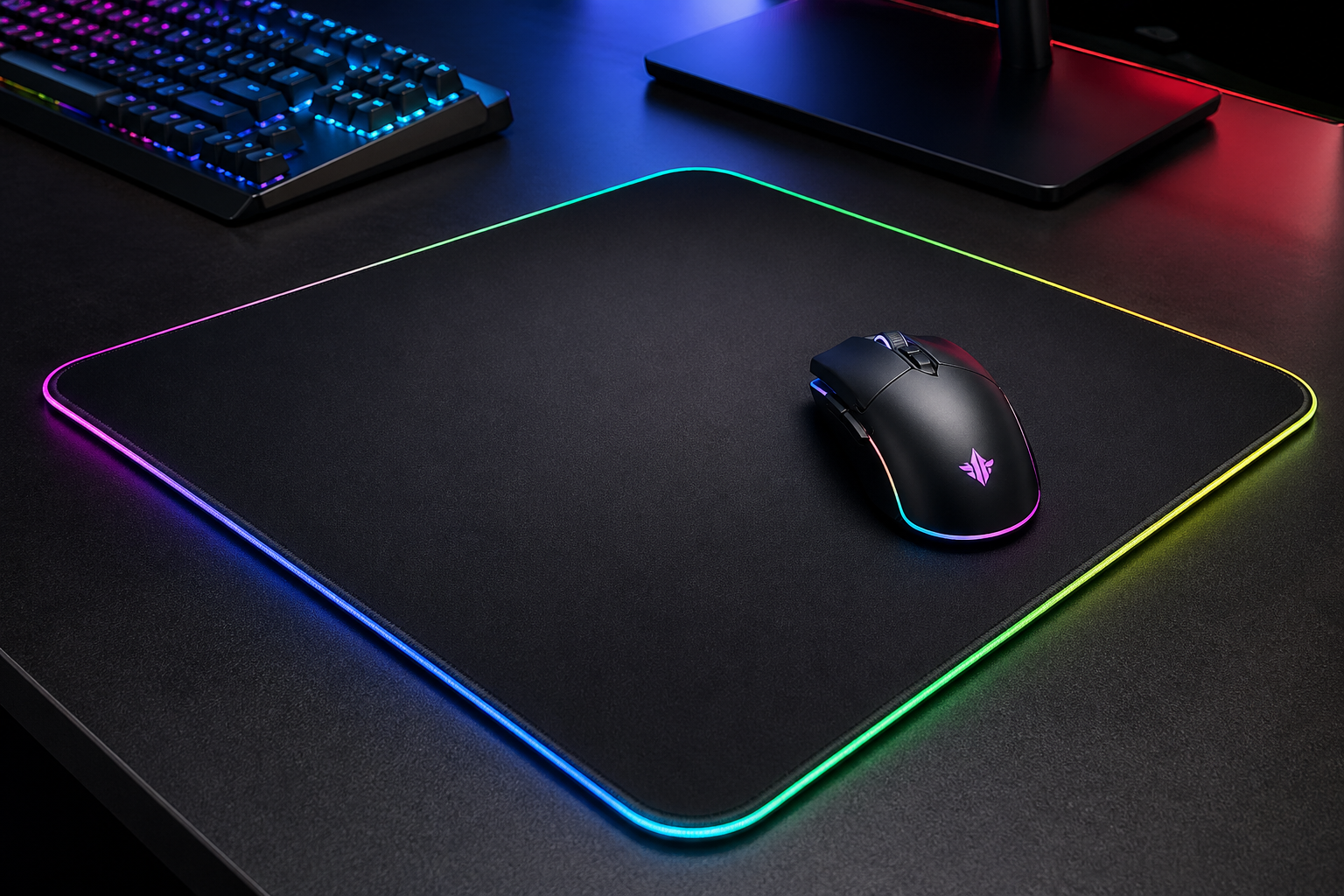
RGB mouse pads are not about performance. They are about setup aesthetics.
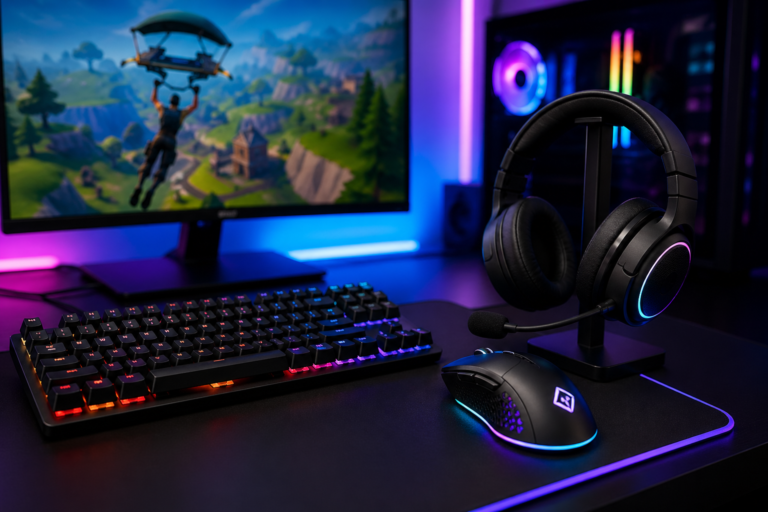
A best mouse pad for gaming with rgb lighting is great if:
- You care about desk visuals
- You stream or record content
- You want a themed setup
Just do not expect performance gains. The LEDs will not improve aim (I checked, unfortunately).
Best Extended Mouse Pad for Gaming
A best extended mouse pad for gaming is one of my favorites for practical setups.
It covers:
- Keyboard
- Mouse area
- Desk protection
It also keeps movement consistent across a large surface. No edge slipping. No awkward transitions.
Best Large Size Mouse Pad for Gaming
A best mouse pad for gaming large size option is perfect for FPS players who need wide swipe freedom.
Benefits:
- More movement space
- Better consistency
- Cleaner desk setup
Once you switch to large size, small pads feel restrictive.
Best Mouse Pad for Gaming Under $50
A best mouse pad for gaming under $50 category is surprisingly strong in 2026.
Many mid-range pads now offer:
- Premium cloth feel
- Durable stitching
- Stable rubber bases
You do not always need premium pricing for solid performance. I have tested budget pads that outperform expensive ones in consistency.
Best Mouse Pad for Gaming for Smooth Glide
A best mouse pad for gaming for smooth glide focuses on fast movement.
This is ideal for:
- Fast-paced shooters
- High DPI setups
- Quick reaction gameplay
It feels almost frictionless, which some players love and others avoid.
Best Mouse Pad for Gaming for High DPI
High DPI players require less movement distance.
A best mouse pad for gaming for high dpi setup works best with:
- Medium-sized pads
- Slight control surface
- Stable tracking feel
Too much speed can make aim unstable at high sensitivity.
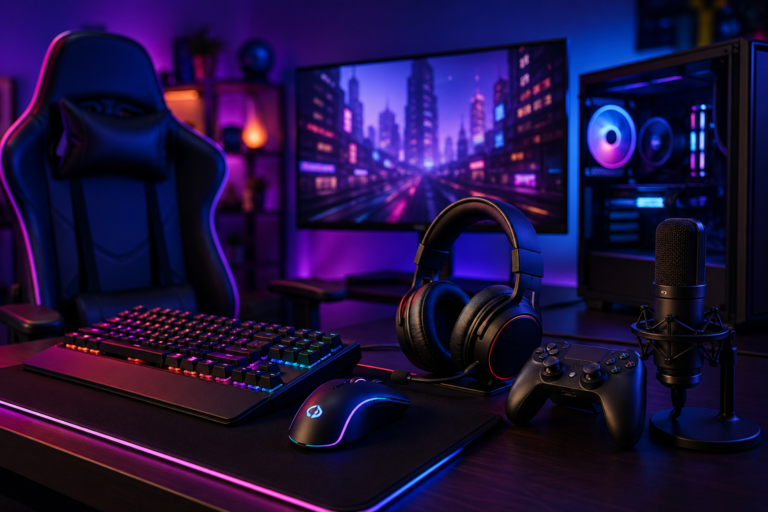
Gaming Desk Setup Matters Too
A mouse pad does not work alone.
Your full gaming mouse pad setup should match:
- Mouse sensitivity
- Desk space
- Monitor positioning
Even lighting and posture affect consistency more than people expect.
What Most Gamers Get Wrong
I see this often:
- They buy based on looks, not feel
- They ignore size differences
- They switch pads too often, breaking muscle memory
Consistency beats constant upgrading.
Final Thoughts
Choosing the right mouse pad is less about technical specs and more about personal feel. On paper, many pads look similar, but in real gameplay the difference becomes very clear. The way your mouse glides, stops, and responds under pressure has a direct impact on your consistency. Once you find a surface that truly matches your style, your aim starts to feel more natural and stable without forcing extra effort.
I always suggest starting simple instead of overthinking or chasing expensive “pro-level” setups from the beginning. Get something reliable, test it in real matches, and then slowly upgrade based on how you actually play. Your sensitivity, your grip style, and even the type of games you enjoy should guide your decision more than marketing or hype ever will.
A mouse pad will not turn anyone into a professional player overnight, and it should not be treated like a magic upgrade. But what it can do is remove small but important obstacles like inconsistent tracking, uncomfortable friction, or lack of control that quietly hold your performance back.
And honestly, that is where the real improvement comes from. Not sudden jumps, but small refinements that add up over time. Because in competitive gaming, the difference between “almost got him” and “easy win” often comes down to how clean and controlled those tiny movements really are.