Introduction
I’ve spent enough time gaming to notice something interesting.
Most players focus heavily on skill while ignoring the equipment sitting directly in front of them. Then they wonder why shots feel delayed, movement feels inconsistent, or reaction speed suddenly drops during competitive matches.
I used to think reaction time depended only on practice.
That changed after I upgraded parts of my setup one by one.
A smoother mouse sensor.
A faster monitor.
A keyboard with quicker actuation.
Small changes added up quickly.
That was also when I started understanding why many competitive players invest in gaming gear for reaction time improvement instead of relying only on raw skill.
No gaming accessory magically turns someone into an esports champion overnight. If that worked, my wallet would probably be ranked higher than me by now. Still, the right setup can remove unnecessary delays and help gameplay feel more responsive.
That matters more than many people realise.
What I’ll Cover in This Guide
- Why reaction speed matters in gaming
- How gaming gear affects responsiveness
- Best mouse features for faster aiming
- Why monitor refresh rates matter
- Gaming keyboards and input speed
- Audio gear that improves awareness
- Comfort and ergonomics during long sessions
- Common mistakes players make when upgrading
- Whether expensive accessories are worth buying
Why Reaction Time Matters in Gaming

Reaction speed affects almost every competitive game I play. That is one reason why I started paying more attention to gaming gear for reaction time improvement instead of focusing only on practice.
FPS titles, racing games, battle royales, and fighting games all reward quick decisions. A tiny delay can decide whether I win a fight or stare at the respawn screen wondering what happened.
Again.
In fast multiplayer matches, my brain processes:
- movement,
- sound,
- visual changes,
- enemy positioning,
- and timing simultaneously.
That takes speed and consistency.
A proper reaction speed gaming setup can help remove small delays that hurt performance during intense matches. Good equipment cannot replace skill, but it can remove obstacles slowing me down.
I noticed a huge difference after upgrading to low latency gaming gear. Inputs felt smoother, aiming felt cleaner, and movement became more responsive during competitive matches.
A delayed click or blurry display creates hesitation. That hesitation hurts performance more than many players expect.
I also realised that using the best gaming mouse for reaction time improved tracking accuracy during shooters. Pairing that with a gaming keyboard for fast response made movement feel far more consistent during ranked matches.
Display quality matters too. A high refresh rate gaming monitor for faster reaction time can improve motion clarity and reduce blur during fast gameplay. That smoother visual feedback helps reactions feel more natural.
Audio also plays a bigger role than many gamers expect. A quality gaming headset for competitive gaming helps me hear footsteps, reload sounds, and enemy movement earlier during matches.
All these upgrades work together to create fast response gaming gear that supports competitive gameplay without unnecessary delay.
I noticed this clearly after reading guides on improving reflex training through practice and repetition on Reaction Time Test. Hardware and training work best together.
For me, the biggest improvement came from combining practice with better equipment. A balanced gaming setup for esports players focuses on comfort, speed, and consistency instead of flashy marketing.
The right gaming accessories for better performance will not magically turn someone into a professional overnight. Still, quality upgrades can support better accuracy, faster reactions, and smoother gameplay over time.
That is why I now pay closer attention to gaming gear for reflex improvement whenever I upgrade my setup.
How Gaming Gear Affects Performance

Every accessory in my setup introduces some level of delay. That is exactly why I started paying closer attention to gaming gear for reaction time improvement instead of focusing only on practice.
The goal is reducing unnecessary latency wherever possible.
That includes:
- mouse click delay,
- keyboard response,
- monitor refresh rate,
- wireless interference,
- and system lag.
Some differences are small. Others feel immediate.
For example, moving from a basic office monitor to a proper gaming monitor for faster reaction time completely changed how motion looked during shooters. Enemy tracking felt smoother. Flick shots felt more controlled.
I also noticed how low latency gaming gear helped gameplay feel more responsive overall. Inputs registered faster, movement looked cleaner, and aiming felt more consistent during competitive matches.
My keyboard upgrade made a surprisingly big difference too. A quality gaming keyboard for fast response reduced delayed inputs during fast movement and quick ability usage. Everything simply felt sharper.
The same happened after testing the best gaming mouse for reaction time with a lightweight design and faster switches. Quick corrections became easier during intense fights.
Audio matters more than many gamers expect as well. A reliable gaming headset for competitive gaming improved positional awareness, especially during FPS matches where hearing footsteps early can decide fights instantly.
I also realised that a proper reaction speed gaming setup is not about buying the most expensive accessories. The real goal is building a balanced setup that feels comfortable, responsive, and reliable during long sessions.
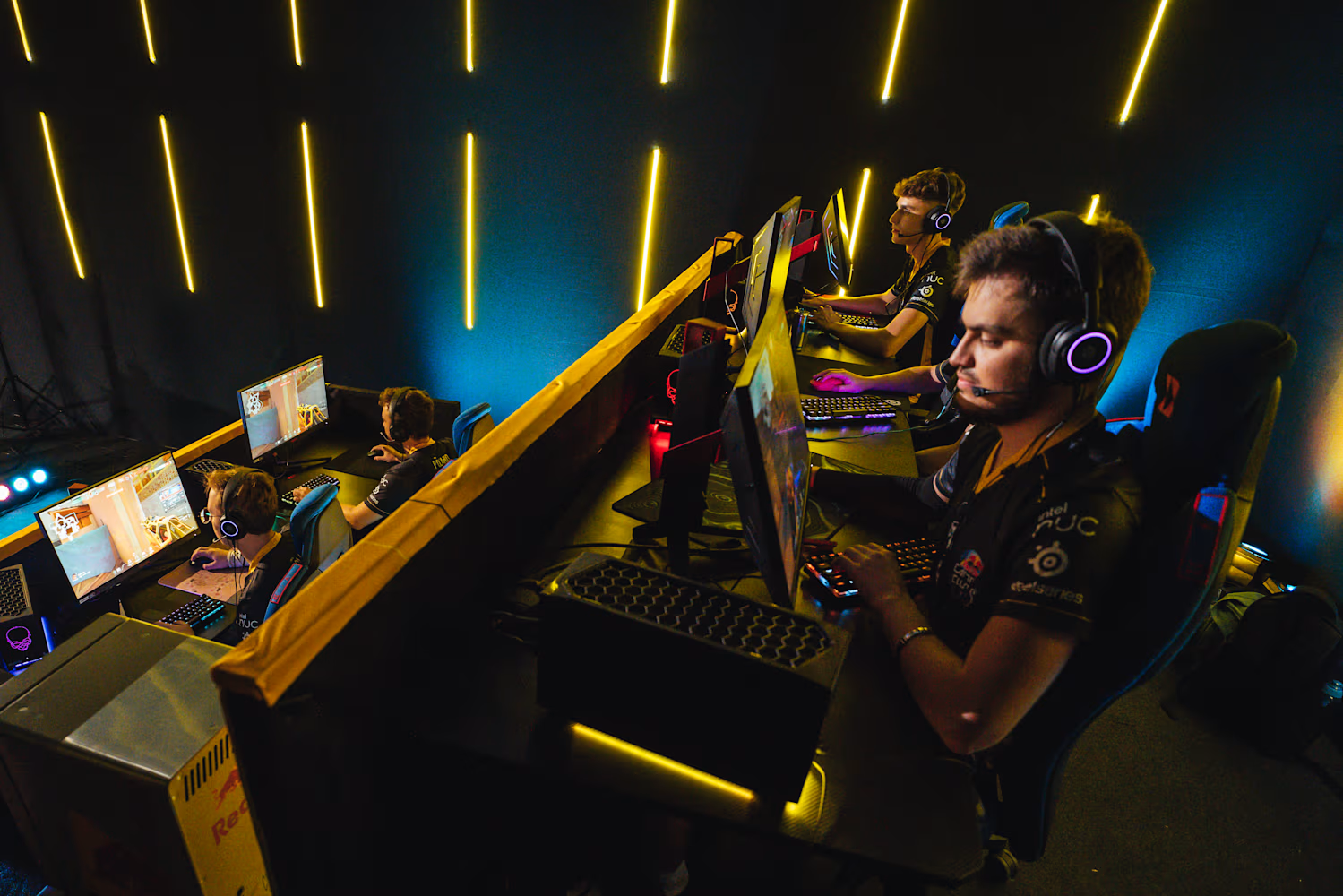
For competitive players, choosing fast response gaming gear can remove small delays that interrupt consistency. That matters even more in a gaming setup for esports players, where tiny reaction differences often decide outcomes.
Over time, I stopped viewing accessories as flashy extras. Good equipment genuinely supports gaming gear for reflex improvement when paired with practice and consistency.
I also stopped blaming my aim for every missed shot.
That was a difficult emotional journey.
Input Lag Makes a Bigger Difference Than Many Think
Input lag is the delay between my action and what appears on screen.
Lower latency creates:
- quicker feedback,
- smoother movement,
- and better responsiveness.
That instant feedback improves confidence during gameplay.
Competitive players usually notice small delays faster because timing matters heavily during ranked matches.
Casual players notice it too once they experience a better setup.
Best Gaming Mouse for Faster Reactions
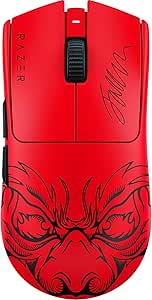
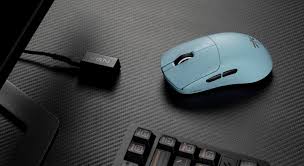
The mouse probably affects my gameplay more than any other accessory.
A poor sensor creates inconsistent movement. Heavy designs slow fast flicks. Cheap switches can feel delayed during rapid clicks.
That combination becomes frustrating quickly.
Features I Prioritise in a Gaming Mouse
Lightweight Design
Lighter mice feel easier to move quickly.
That helps during:
- tracking,
- flick shots,
- and rapid corrections.
Ultra-heavy designs may feel sturdy, but they often slow movement during competitive matches.
High Polling Rate
Polling rate affects how often the mouse communicates with the PC.
Higher rates create smoother cursor movement and lower delay.
Most modern competitive models support:
- 1000Hz polling,
- fast optical sensors,
- and reduced click latency.
Comfortable Shape
Comfort matters more than flashy RGB lighting.
My wrist definitely appreciates that decision after long sessions.
A comfortable shape improves consistency because my hand stays relaxed instead of tense.
Grip style matters too:
- palm grip,
- claw grip,
- fingertip grip.
Different shapes suit different players.
Wired vs Wireless Gaming Mouse
Wireless technology improved massively over the last few years.
Modern premium wireless models feel extremely responsive. Some even outperform older wired options.
Still, budget wireless devices can introduce instability or battery concerns.
For competitive gaming, I usually recommend:
- reliable wireless models,
- or quality wired alternatives with flexible cables.
Cheap wireless gear often creates more frustration than freedom.
Gaming Keyboards and Faster Input Speed
Keyboards matter more than people think.
Especially during:
- movement-heavy shooters,
- MOBAs,
- and fast-paced action games.
A responsive keyboard helps commands register quickly and consistently.
Mechanical Switches Feel Faster
Mechanical switches activate differently than membrane designs.
They usually:
- feel more responsive,
- provide cleaner feedback,
- and reduce mushy key presses.
Linear switches are popular among competitive players because movement feels smooth and quick.
Tactile switches feel more noticeable during typing.
Both work well depending on preference.
Compact Layouts Help Movement
I switched from a full-size keyboard to a smaller layout and immediately noticed extra mouse space.
That helped low-sensitivity aiming feel less cramped.
Popular compact options include:
- TKL keyboards,
- 75% layouts,
- and 60% designs.
Extra desk space improves comfort during large arm movements.
Why Monitor Refresh Rate Changes Everything
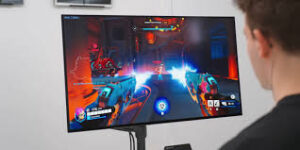
This upgrade surprised me the most.
A faster monitor genuinely changes how games feel. For anyone building a gaming gear for reaction time improvement setup, the monitor probably makes one of the biggest differences.
Once I switched from 60Hz to 144Hz, motion immediately looked smoother. Tracking enemies became easier because movement clarity improved. A quality gaming monitor for faster reaction time can help gameplay feel more responsive during competitive matches.
Going back to 60Hz afterward felt strange.
A bit like trying to sprint through wet cement.
Higher refresh rates help reduce motion blur and improve visual clarity during fast movement. That matters heavily in FPS games where split-second reactions decide fights. Many competitive players combine high refresh rate monitors with low latency gaming gear to create a smoother experience overall.
I also noticed my aim felt more controlled after upgrading my display. Enemy movement looked clearer, which helped me react faster during intense fights. A strong reaction speed gaming setup usually focuses on smooth visuals alongside responsive peripherals.
For competitive gaming, I’d also pair a high refresh monitor with:
- the best gaming mouse for reaction time
- a gaming keyboard for fast response
- and a reliable gaming headset for competitive gaming
Together, these upgrades create fast response gaming gear that feels more consistent during gameplay.
For me, smoother visuals improved confidence just as much as performance. Good displays reduce distractions and help gameplay feel cleaner overall. That’s why many serious players invest in gaming accessories for better performance instead of focusing only on flashy RGB lighting.
A balanced gaming setup for esports players should always prioritise responsiveness, comfort, and motion clarity first. Those factors usually help more than expensive marketing claims.
If someone wants real gaming gear for reflex improvement, I’d honestly recommend upgrading the monitor before almost anything else.
Higher Refresh Rates Improve Motion Clarity
Higher refresh rates reduce blur during fast movement.
That helps me:
- react faster,
- track targets more smoothly,
- and notice enemy movement earlier.
Competitive players commonly use:
- 144Hz,
- 240Hz,
- or even higher refresh rates.
Even casual players usually notice the improvement quickly.
Response Time Also Matters
Refresh rate and response time are different things.
Response time affects how quickly pixels change.
Lower response times reduce:
- ghosting,
- smearing,
- and blurry motion.
Fast IPS panels balance:
- speed,
- image quality,
- and viewing angles well.
Gaming Headsets and Audio Awareness
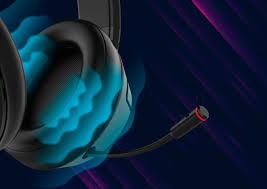
Audio helps reaction speed more than many gamers realise.
Good positional sound gives earlier warnings during competitive matches.
That includes:
- footsteps,
- reload sounds,
- nearby movement,
- and directional cues.
I’ve reacted to enemy pushes entirely because I heard footsteps before seeing anything on screen.
Features I Look For in Gaming Headsets
Clear Sound Imaging
Good imaging helps identify direction accurately.
That matters heavily in:
- tactical shooters,
- battle royale games,
- and survival titles.
Comfortable Ear Cups
Long sessions become miserable with uncomfortable headsets.
Pressure buildup causes fatigue surprisingly quickly.
Breathable materials help during extended gaming sessions. Especially in warmer rooms where headsets start feeling like personal saunas.
Wired vs Wireless Headsets
Wireless options are far better now than they used to be.
Still, wired headsets often provide:
- consistent latency,
- stable audio,
- and zero charging concerns.
Competitive players usually prioritise stability over convenience.
Gaming Chairs and Ergonomics
Posture affects performance more than flashy marketing suggests.
An uncomfortable position creates:
- wrist strain,
- shoulder tension,
- and fatigue.
That reduces consistency during longer gaming sessions.
I learned this the hard way after spending hours hunched over like a confused shrimp.
What I Prioritise in a Chair
I focus on:
- lumbar support,
- adjustable armrests,
- seat comfort,
- and posture alignment.
Gaming chairs receive plenty of attention online, but some ergonomic office chairs honestly feel better for long-term comfort.
The best option depends on:
- body type,
- desk height,
- and sitting habits.
Gaming Desk Setup Tips for Better Performance
A clean setup improves comfort and focus.
Simple adjustments can make gaming feel smoother immediately.
Proper Monitor Placement
I keep my monitor:
- directly in front of me,
- slightly below eye level,
- and positioned at a comfortable distance.
Bad positioning causes neck strain surprisingly fast.
Mouse Space Matters
Limited mouse space restricts movement.
Competitive low-sensitivity players especially need extra room for larger arm motions.
Cable Management Helps More Than Expected
Messy cables become distracting.
A cleaner desk setup feels more organised and comfortable during longer sessions.
Also, untangling cables every week slowly damages human patience.
Scientifically speaking, probably.
Common Mistakes Players Make
I see many gamers waste money on upgrades that barely improve gameplay.
Buying Based Only on Marketing
RGB lighting looks cool.
That does not automatically improve reaction speed.
Performance matters more than flashy branding.
Ignoring Comfort
Pain and fatigue reduce consistency quickly.
Comfort should always remain a priority during setup upgrades.
Using Incorrect Sensitivity Settings
Extremely high sensitivity often hurts aiming precision.
Lower, controlled sensitivity usually feels more consistent for competitive games.
Chasing Expensive Gear Too Early
Premium accessories help, but skill and practice still matter most.
A balanced setup usually provides better value than buying the most expensive option immediately.
Are Expensive Gaming Accessories Worth It?
Sometimes yes.
Sometimes absolutely not.
Premium products usually offer:
- better build quality,
- lower latency,
- improved comfort,
- and stronger durability.
But expensive branding alone means very little.
I’ve used mid-range gear that felt better than products costing twice as much.
The best setup depends on:
- comfort,
- responsiveness,
- reliability,
- and personal preference.
Not marketing buzzwords printed on aggressive-looking packaging.
My Final Thoughts
I believe the best gaming setup removes distractions instead of adding them.
Smooth movement.
Fast response.
Comfortable positioning.
Reliable performance.
Those things matter more than flashy aesthetics.
The right gaming gear for reaction time improvement can make gameplay feel more responsive and controlled, especially during competitive matches where timing matters most.
I’ve noticed that even small upgrades can improve consistency during fast-paced games. A better mouse sensor, lower latency hardware, or a smoother display often helps reactions feel quicker and more accurate.
For me, the biggest difference usually comes from using:
- the best gaming mouse for reaction time,
- a gaming keyboard for fast response,
- and a gaming monitor for faster reaction time.
That combination creates a much smoother experience during intense matches.
Audio matters too.
A quality gaming headset for competitive gaming improves positional awareness and helps me react faster to nearby movement, footsteps, and directional sound cues. Good awareness often matters just as much as raw aiming skill.
I also think many players underestimate comfort.
A proper reaction speed gaming setup should feel natural during long sessions. Wrist strain, poor posture, and cramped desk space can quietly hurt performance over time.
That is why I always prioritise:
- responsive controls,
- comfortable ergonomics,
- and reliable performance first.
Good low latency gaming gear helps remove delays between my actions and what happens on screen. That instant feedback makes games feel smoother and more consistent.
At the same time, I do not believe expensive accessories automatically create better players.
Skill still matters most.
The best setup simply supports improvement. It does not magically replace practice, game sense, or experience.
For most people, I think the smartest upgrades include:
- responsive peripherals,
- comfortable seating,
- and reliable gaming accessories for better performance.
That balance usually creates the best long-term experience.
Whether someone is building a casual setup or creating a gaming setup for esports players, focusing on comfort and responsiveness usually delivers the biggest improvements.
And honestly, avoiding wrist pain while using fast response gaming gear feels like a pretty solid victory too.